
Introduction
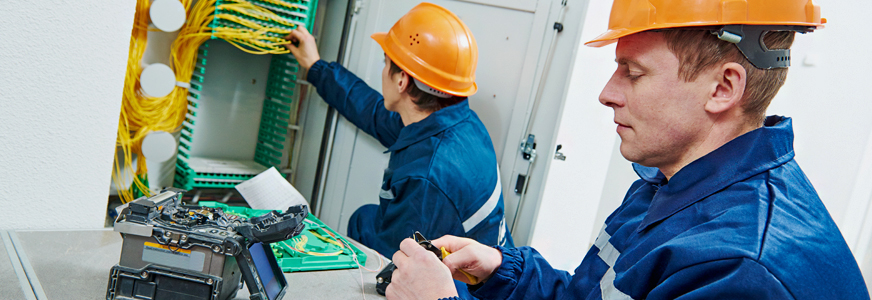
A fiber optic technician keeps high-speed internet running by building and repairing fiber optic cable systems. Many people search for what a fiber technician does because this job powers modern communication systems. The real name is Fiber Technician. It is a hands-on career with real growth in 2026.
The net worth potential grows with skills like fiber splicing and OTDR testing. Your net worth can increase faster when you master signal loss troubleshooting and fiber termination. Many follow this path through how to become a fiber technician and steady field work.
What is a Fiber Technician?
A fiber optic technician builds and supports fiber optic cable systems that power high-speed internet. Data travels through optical fiber strands as pulses of light. This work keeps modern communication systems running across homes and businesses.
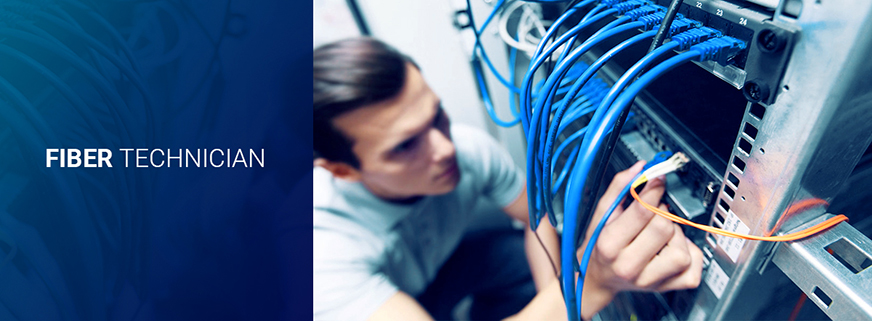
Many job posts list this role under the fiber technician job description details. You may also see telecommunications technician, cable installer, or telecommunications equipment installer. Titles vary. The goal stays the same. Protect stable broadband connectivity.
A fiber optics technician also keeps the fiber optic network reliable through safe handling and proper testing. It is technical work. It is also practical. In 2026, it supports expanding network infrastructure and stronger communication network reliability.
Key Roles and Responsibilities
Fiber technicians install and maintain fiber optic cable systems that deliver high-speed internet and reliable broadband connectivity. They also test and repair fiber optic cables to keep the fiber optic network stable.
1. Install fiber optic installation routes and protect bend radius protection for long-term performance.
2. Perform fiber splicing and fusion splicing to restore clean links during outages.
3. Run OTDR testing and network performance testing to find faults and verify signal quality.
4. Complete connector inspection and clear reporting to strengthen the communication network reliability for customers.
Skills Required
means you need steady hands, sharp focus, and strong customer service skills to succeed.
- Use fiber optic tools and equipment confidently, including cleavers, scopes, and testers, every day.
- Apply bend radius rules for fiber optics to prevent damage and reduce future service issues.
- Perform connector inspection and cleaning to avoid signal loss, troubleshooting, and repeat callbacks often.
- Communicate clearly during installs and repairs, showing customer service for fiber technicians every time.
Work Environment
Many technicians work indoors on premises installation projects. This includes homes and offices. Some work in network rooms as an inside plant technician. Indoor work still needs precision. Small mistakes can affect speed and service.
Other technicians focus on outside plant fiber technician work. This role fits an outside plant technician doing outside plant fiber work. It involves poles and streets. It can include ladder and pole work and traffic awareness.
Some jobs require tight access areas, like crawlspace cable work. Conditions change daily. A field service technician must stay flexible. The weather may slow progress. Safety rules stay strict. Good planning keeps work stable and safe.
What does a fibre optic technician do?
A fiber optic technician installs and supports fiber optic cable systems for reliable high-speed internet.
They test, repair, and maintain the fiber optic network to protect the communication network reliability.
- Performs fiber optic installation for homes, offices, and service locations.
- Handles premises installation to activate customer internet service.
- Installs fiber optic cables using safe cable routing methods.
- Uses cable labeling to keep networks organized and traceable.
- Completes fiber termination to connect fibers into network hardware.
- Performs fiber splicing using fusion splicing for stronger joins.
- Runs OTDR testing to locate faults and weak points.
- Does signal loss troubleshooting help restore fast connection speeds?
- Conducts network performance testing and internet speed testing for verification.
- Provides clear updates using strong customer service skills on every visit.
How to become a fibre optic technician
Most people start by learning the basics through fiber technician training programs. You can study fiber safety and installation methods. This prepares you for field work. It also supports a clear fiber technician career path in the USA.
You build skills by working with crews and learning real job routines. Over time, you perform installs and repairs. Employers watch reliability. Strong habits help you move up. This is the real answer to how to become a fiber technician.
Many technicians grow faster by adding hands-on training for splicing and testing. You learn tools and procedures. Experience matters most. Still, education helps. A steady plan makes the job easier to enter and succeed in.
College/training provider
A training provider can teach how fiber optic cables work in simple terms. Courses cover safety and installation steps. Labs add hands-on practice. This helps you understand the fiber optic installation process before field jobs.
Many programs include practice with cleaning and connections. You learn fiber termination step by step and proper handling. You also study bend radius rules for fiber optics. These rules prevent hidden damage and future problems.
Good programs teach fiber optic cable testing methods as well. You may learn the OTDR test for fiber optic cable basics. Testing builds confidence. It also improves accuracy when troubleshooting real networks in the field.
Apprenticeship
Apprenticeships teach skills through daily job-site work. You learn from experienced technicians. This helps you practice clean cable prep. You also learn safe routines. It builds confidence faster than learning alone.
During an apprenticeship, you may help with fiber optic maintenance tasks. You observe testing and repairs. Over time, you assist with splicing. This includes early fiber splicing training steps under supervision.
Apprentices also learn how teams communicate and document work. This supports smoother repairs later. You get used to real schedules. Real tools. Real expectations. It is a strong way to enter fiber work in the USA.
Work experience
Work experience can start in entry telecom roles. Many begin as a cable installer or helper. This builds job-site comfort. You learn routing and labeling. You also understand how crews complete installs efficiently.
As experience grows, you handle more complex tasks. You may join repair calls. This builds skill in network troubleshooting and fiber optic repair steps. Each job teaches pattern recognition and faster problem-solving.
Over time, you may specialize and gain stronger responsibilities. Your value rises with proven skill. Employers trust technicians who document work and avoid mistakes. That trust supports better roles and long-term growth.
Key Responsibilities of a Fiber Technician
The main responsibilities cover installation work and service support. A technician builds connections that keep networks stable. Strong work improves communication network reliability. It also supports long-lasting network infrastructure for customers.
Core work includes fiber optic installation and routine care. Technicians follow procedures and protect cable quality. This includes safe routing and cleaning. These habits prevent future failures and reduce costly repeat visits.
Technicians also handle repairs and customer support. They use testing tools to locate faults fast. Then they restore service. This keeps high-speed internet running and protects business operations and home connectivity.
Installation
Installation starts with smart cable routing that avoids sharp bends. Technicians protect the line using bend radius protection rules. They secure and guide the fiber carefully. This reduces future signal problems and cable damage.
After routing, the technician performs fiber termination for clean connections. They also apply clear cable labeling. Good labels save time during later repairs. They make the network easier to maintain and upgrade.
The installer finishes by testing performance. They run network performance testing and sometimes internet speed testing. This proves service works. It also catches issues early before the customer experiences problems later.
Maintenance
Maintenance keeps fiber systems stable over time. Technicians schedule checks and inspections. They focus on early warning signs. This supports long term network maintenance and better performance across the full network path.
A key task is connector inspection and cleaning. Dirty connectors create loss. Technicians use scopes and cleaning tools. This simple habit prevents many service calls and reduces avoidable network slowdowns.
Maintenance can also include fiber optic inspection of routes and cabinets. Technicians check seals and strain points. They also confirm signal levels. Strong maintenance reduces outages and improves customer experience long-term.
Troubleshooting
Troubleshooting begins with clear symptom checks. A technician asks questions and isolates the issue. This is practical telecom troubleshooting. It reduces guesswork. It helps restore service with fewer wasted steps.
Technicians often use OTDR testing to locate faults. They read traces and identify loss points. This supports signal loss troubleshooting. It is one of the fastest ways to find breaks or weak connections.
After locating the problem, they repair it. This may include fiber splicing or replacing damaged parts. They then retest the line. Good troubleshooting restores stable service and confirms long-term reliability.
Customer Service
Fiber work includes real customer interaction. Strong customer service skills improve the job experience. Technicians explain steps clearly. They keep a calm tone. Customers feel safer when they understand what is happening.
A technician also sets honest timelines. They avoid false promises. Clear updates reduce frustration. This matters during outages and installs. It builds trust even when the work takes longer than expected.
Good service ends with verification. The technician confirms the connection works. They answer questions. Then they leave the site clean. Great customer service makes customers more confident in the provider.
Qualifications and Certifications for Fiber Technicians
Many employers want basic readiness plus proven skills. Training helps. Experience helps more. Certifications add trust. This is why job seekers search for fiber optic technician certification options before applying.
Certifications show you understand standards and safety. They reduce errors. Employers value that. In fiber work, mistakes cost money. A certified technician often gets better tasks and more responsibility sooner.
Qualifications also include physical readiness and safe behavior. You must follow fiber optic safety protocols and electrical safety guidelines. Safe workers protect themselves and the network. Safety builds long-term career stability.
Post-Secondary Training
Post-secondary programs teach the basics of fiber and telecom. You learn cables, connectors, and equipment. You also learn how systems connect. This makes installs easier to understand and complete correctly.
Training programs often include practice labs. You work with real tools and materials. You learn careful handling and cleaning. You also build confidence with structured steps and repeated practice.
Many programs also teach testing basics. This includes fiber optic cable testing methods and measurement routines. Testing knowledge supports better troubleshooting. It helps you avoid guessing and fix faults faster.
Industry Certifications
Industry credentials help prove your skills fast. The popular one is the FOA program. Many people search for FOA CFOT certification details when starting. This certification covers installation testing and safety basics.
Certifications also support job mobility across states. Employers recognize them quickly. They help you stand out. They also give you confidence when handling real installs and repairs.
Some certifications support advanced splicing work. This includes training for fusion splicing and testing knowledge. These skills raise your value. They also lead to higher trust and stronger job opportunities.
The Importance of Certification
Certification helps hiring managers trust your skill set. It shows you learned proper procedures. It also signals commitment. This matters in competitive markets where many applicants want the same role.
Certified technicians often earn more over time. Employers reduce training time for them. They also assign more complex work sooner. This can improve promotions and job growth.
Certification also reduces errors. It supports clean installs and strong testing habits. Better habits reduce callbacks. Fewer callbacks mean better performance reviews. That can improve long-term earnings and career stability.
Fiber Technician Salary and Career Outlook
Many people want real pay expectations. That is why searches like fiber technician salary in the US keep rising. Pay depends on skills and location. Still, fiber work often offers steady income growth.
Career outlook stays strong because fiber networks keep expanding. More homes and businesses need upgrades. This creates demand across the telecommunications industry. It also supports long-term work stability.
Technicians with splicing and testing skills grow faster. They handle harder jobs. That often means better pay. If you build advanced skills, you can unlock stronger roles and better long-term earnings.
Salary Range
Salary begins lower for new technicians. It rises with experience and proven skills. Splicing and testing often increase pay faster. Employers pay more for technicians who reduce downtime and repeat visits.
Some roles include overtime or travel pay. That can increase yearly totals. Outdoor work and emergency repair shifts may pay more. Skilled workers often choose these jobs to boost earnings.
Pay also depends on region and employer type. Cities may pay more. Rural work can still offer steady jobs. The key is skill growth. More skills usually mean better pay options.
Job Growth
Fiber demand grows as internet needs increase. Remote work and streaming push upgrades. Businesses rely on stable service. This fuels hiring for fiber roles across the country.
Growth also comes from new builds and replacements. Old networks upgrade to fiber. Communities expand broadband systems. This creates long-term work for installers and repair technicians.
Technicians who can troubleshoot and splice stay in higher demand. They solve problems quickly. That reduces downtime. Fast repair skill keeps networks stable and keep companies competitive.
Factors Influencing Salary and Job Opportunities
Salaries for fiber optic technician roles shift because local demand and your skill depth change fast. In the telecommunications industry, the best-paid techs reduce downtime through strong network troubleshooting and clean installs. Employers reward technicians who prove results through network performance testing and consistent documentation. Location also matters because buildouts and competition vary by region.
Job opportunities rise when you bring rare abilities that teams need right now. Skills like fiber splicing and fusion splicing, plus reliable OTDR testing, make you harder to replace. Strong safety habits and calm communication also raise trust. That trust leads to better crews, better projects, and faster promotion paths.
- Location changes pay because metro areas need more high-speed internet and broadband connectivity.
- Experience increases wages because seasoned techs handle complex signal loss troubleshooting without delays.
- Certifications like FOA CFOT certification details enhance job offers by demonstrating tested skills.
- Splicing skill boosts rates because fiber splicing and fusion splicing prevent repeat failures.
- Testing expertise raises value through OTDR testing and accurate fiber optic cable testing methods.
- Clean installs pay more when techs follow bend radius protection and correct fiber termination.
- Safety record matters because fiber optic safety protocols reduce incidents during field work.
- Customer skills increase opportunities because customer service skills reduce complaints and churn.
- Travel readiness increases earnings over time when supporting outside plant fiber work projects.
Skills
The practical abilities you build to handle installs, testing, repairs, and customer support.
- fiber optic installation basics
- fiber splicing accuracy
- fusion splicing explained clearly
- fiber termination mastery
- connector inspection routines
- OTDR testing confidence
- signal loss troubleshooting speed
- cable labeling discipline
- customer service skills strength
Qualifications
Employers usually require basic education and physical ability. You may need a license to drive. You must handle ladders and tight spaces safely. These are common job requirements in the field.
Safety knowledge is also required. You follow fiber optic safety precautions daily. You also follow working on ladders and poles safely. Safe habits protect you and your team.
Qualifications grow with experience. As you learn splicing and testing, your value rises. Employers prefer technicians who document work and keep sites clean. That professionalism supports long-term success.
How much could you earn as a fibre optic technician?
Earnings often rise as skills improve. Entry-level roles pay less. Over time, you earn more by adding splicing and troubleshooting skills. That makes you more valuable to employers and clients.
Technicians who master fusion splicing often earn more. They handle repairs and complex builds. Their work prevents downtime. That ability increases job security and pay growth.
If you build testing and repair skills, your earning potential increases. You solve issues faster and reduce callbacks. Employers reward that performance. Strong habits and steady improvement lead to higher income over time.
Frequently Asked Questions
What is a fiber technician?
A trained professional who installs and repairs fiber optic cable systems to support fast, stable connections nationwide.
Is a fiber technician a good job?
Yes, it offers strong demand, steady growth, and hands-on work across modern network infrastructure projects.
What is the salary of a fiber optic technician in Pakistan?
Pay varies by city and experience, and increases with fiber splicing training, certifications, and field responsibility.
What skills do fiber technicians need?
You need fiber optic tools and equipment skills, careful connector inspection, safe routing, and strong customer service skills daily.
What does a fibre optic technician do daily?
Daily tasks include fiber optic installation, fiber termination, testing, repairs, and solving signal loss troubleshooting issues quickly.
How do you troubleshoot fiber optic signal loss?
Start with cleaning connectors, then run OTDR testing, repair damaged sections, and confirm service with performance checks.
What certifications will help fiber technicians in 2026?
Certifications like FOA CFOT certification details improve hiring chances by proving safety knowledge and installation standards.
Is a fiber technician’s work hard?
It can be physical with ladder and pole work, tight spaces, weather changes, and demanding schedules sometimes.
Conclusion
A fiber technician builds strong networks for fast internet. A fiber technician works with light-based cables daily. Every fiber technician protects clean installs and reliable service. A fiber optic technician keeps homes online. A fiber optics technician fixes faults quickly.
A fiber technician career stays strong in 2026. You can grow fast as a fiber technician with training and effort. Many ask what a fiber optic technician is before starting. Each fiber technician learns tools and testing. An optic technician supports stable connections.







4 Comments