

Introduction
SaaS Outsourcing feels confusing when you are trying to grow fast, but everything costs more. outsourcing saas development sounds easy until deadlines slip. saas sales outsourcing can feel risky, too. You may even compare outsourced accounting alternatives for saas startups and outsourced saas sales.
SaaS Outsourcing will make this guide simple and practical for you. You will learn what works and what to avoid. We will explain outsourcing saas development step by step. We will also cover saas sales outsourcing choices and outsourced saas sales.
What Is SaaS Outsourcing?
What does SaaS outsourcing mean? Hiring an outside team to build or improve a SaaS product. You keep ownership and direction. The partner helps with planning, design, development, testing,,g and delivery for your software.
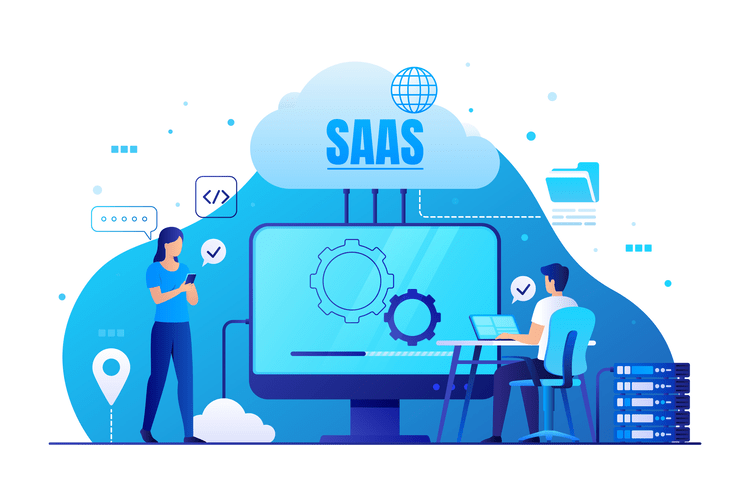
With SaaS development outsourcing, you can outsource full builds or specific tasks. Many teams use SaaS product development services for custom SaaS application development. It can also include cloud software development and reliable product releases.
A trusted software outsourcing partner can work as an outsourced software development team. They may support SaaS MVP development and SaaS product roadmap execution. They can also handle ongoing updates when your SaaS grows.
Why Do SaaS Companies Outsource Development?
Many companies outsource because hiring skilled SaaS developers is difficult in the US. Salaries and benefits are expensive. Outsourcing helps teams stay lean while still building a high-quality product faster.
SaaS outsourcing benefits include better access to talent and smoother delivery. A nearshore development team can match US time zones better. Offshore SaaS development can lower costs when budgets are tight.
Outsourcing supports faster time to market and steady delivery. Teams can follow an agile software development process with an outsourcing project management plan. This helps keep features moving without constant internal pressure.
Reduced Costs and Budget Optimization
Outsourcing lowers spending because you avoid full-time hiring costs. Reducing software development costs becomes easier with flexible staffing. You pay for work delivered instead of paying long-term salaries and overhead.
Strong planning improves outsourcing budget planning and keeps projects stable. Clear scopes help with outsourcing cost estimation and reduce surprise costs. This is how many teams control SaaS outsourcing costs in 2026.
Pricing depends on the model you choose. The time and material pricing model fits changing scopes. The fixed price development model fits clear requirements. The dedicated development team model supports ongoing SaaS growth.
Access to Global Talent and Specialized Skills
Outsourcing gives you a global talent pool without long hiring cycles. You can work with experts in backend cloud and security. This helps teams ship better features and avoid weak technical decisions.
Many companies choose a nearshore development team for overlap and communication. Others choose offshore SaaS development for cost savings. Both options can work well with the right processes and expectations.
These teams often bring advanced skills like SaaS architecture design and scaling knowledge. They can also build a multi-tenant SaaS platform for real SaaS growth. This helps products support many customers smoothly.
Faster Time-to-Market
Speed matters because SaaS markets move fast. Outsourcing supports faster time to market by using proven workflows. Experienced teams can deliver faster without spending months on training and internal onboarding.
Outsourced teams often use a sprint-based development model for steady releases. This supports iterative product development and quick learning. You review progress often and adjust features before wasting time.
Strong teams also support quality with QA testing for SaaS. They use continuous integration and delivery CI CD to ship safely. This reduces errors and keeps production updates smoother during rapid releases.
Scalability and Flexibility for Growing Projects
SaaS growth needs flexibility because workloads change fast. Outsourcing supports scalability and flexibility in development when your needs shift. You can add or reduce talent without long hiring delays.
Scaling also requires a strong technical structure. Teams can support SaaS application scaling with better architecture. They may improve database caching and system performance as user demand increases.
Outsourcing helps with infrastructure and operational needs, too. Providers can offer SaaS infrastructure management and cloud hosting management support. This keeps uptime stable while you expand features and customers.
Minimal Management Overhead
Outsourcing can reduce daily management work for founders. A good partner handles scheduling and progress updates. This makes outsourcing project management smoother and helps you focus on customers and business growth.
Remote work still needs coordination. Many teams struggle with communication across time zones. Good providers use clear tools and processes for tracking work and keeping discussions organized.
Some companies use outsourcing as a long-term extension. It supports managing remote development teams without burnout. With clear roles and reporting, you stay in control while the partner handles execution details.
Learning and Adapting Best Practices from Global Experts
Experienced teams bring tested methods and habits. They help improve planning, documentation, and delivery cycles. This supports stronger SaaS product roadmap execution and fewer mistakes during building and scaling.
Outsourcing teams often suggest secure standards early. They may recommend SaaS security audit reviews and better privacy controls. This supports data protection compliance when handling customer and business-sensitive data.
Many teams also help you prepare for compliance needs. They can support GDPR compliant SaaS for global users. Some projects need HIPAA-compliant software for healthcare workflows and secure handling of data.
What Is SaaS Outsourcing and Why Is It So Effective?
What does SaaS outsourcing means trusting a software outsourcing partner to build or improve your SaaS product. You keep control of goals and direction. They handle delivery using SaaS product development services and skilled execution.

It works because SaaS development outsourcing saves time and reduces hiring pressure. You can launch faster and avoid slow recruiting. Many teams use an outsourced software development team to speed up delivery.
It is also effective because it supports growth without heavy overhead. You can scale work up or down easily. That flexibility helps with outsourcing budget planning and keeps progress steady.
SaaS Outsourcing Statistics: Numbers Speak Louder than Words
Many businesses now rely on SaaS daily for core work. That demand increases the need for better delivery speed. This is why SaaS outsourcing services are growing fast in 2026.
Companies also outsource because hiring is difficult. Hiring skilled SaaS developers takes time and costs a lot. Outsourcing gives a global talent pool without long delays.
Cost and speed are also major reasons. Outsourcing supports reducing software development costs and faster time to market. That mix helps startups and growing companies stay competitive.
SaaS Outsourcing Models
SaaS outsourcing models help you choose how you pay and work with a partner. The right model supports your timeline and budget. It also reduces risk when your scope changes.
The model choice affects control and delivery rhythm. It also shapes outsourcing cost estimation and planning. A clear fit helps control SaaS outsourcing costs.
Most SaaS teams pick one of three common models. Each fits different business needs and stages. Understanding them helps you avoid mismatched expectations.
Time & Material SaaS Outsourcing Model
The time and material outsourcing model charges you for hours and work delivered. It fits projects with changing requirements. This is common during SaaS MVP development and early growth.
This model supports flexibility and fast learning. It works well with an agile software development process. Teams often follow a sprint-based development model for steady progress.
It also helps reduce waste when priorities shift. You can add tasks or adjust the scope quickly. That supports iterative product development without locking into fixed deliverables.
Dedicated Team SaaS Outsourcing Model
The dedicated team outsourcing model gives you a stable full-time team. They work only on your product. This feels like a long-term outsourced software development team extension.
It supports continuous delivery and deeper product knowledge. Teams manage work through outsourcing project management routines. This helps with long term SaaS product roadmap execution.
This model fits growing SaaS products with constant updates. It supports scaling and ongoing feature work. It also improves communication as the team learns your product deeply.
Fixed-Cost SaaS Outsourcing Model
The fixed cost outsourcing model sets one price for the full project. It works best when requirements are clear and stable. This model supports predictable outsourcing budget planning.
It helps control costs because spending is agreed upon upfront. It reduces surprises in invoices and planning. It can also simplify approval and procurement processes.
This model needs strong clarity and documentation. A clear scope prevents conflict during delivery. Many teams use it for defined launches and limited feature sets.
The Benefits of SaaS Outsourcing
SaaS outsourcing benefits are simple and practical for most teams. You get skilled delivery without heavy hiring stress. A strong software outsourcing partner helps you build faster and stay focused.
US companies use SaaS development outsourcing to stay competitive in 2026. It supports faster releases and steady product improvements. Many teams treat outsourcing like a smart way to scale.
Outsourcing also improves long-term planning and delivery. It supports better execution with fewer internal bottlenecks. This is why SaaS outsourcing services keep growing across industries.
SaaS Outsourcing Helps Reduce Costs
Outsourcing lowers costs by reducing full-time hiring needs. You avoid long recruiting cycles and expensive payroll overhead. This supports realistically reducing software development costs.
A skilled outsourced software development team lets you pay only for the required work. That makes spending flexible and easier to manage. This improves outsourcing budget planning for startups and SMBs.
Costs also become clearer with planning and pricing models. You can improve outsourcing cost estimation early. This helps control overall SaaS outsourcing cost during delivery.
SaaS Outsourcing Assists In Increasing Efficiency
Outsourcing increases efficiency by using proven workflows. Teams already understand delivery routines and quality practices. That improves output across development, testing,g and release cycles.
Most providers use an agile software development process for steady results. They often run a sprint-based development model to keep progress visible. This supports smooth iterative product development.
Efficiency also improves because you reduce internal distractions. Your core team focuses on product strategy and customers. The outsourcing team focuses on building and shipping features.
SaaS Outsourcing Ensures Scalability
Outsourcing helps you scale without rebuilding your hiring pipeline. You can expand the team quickly when demand increases. This supports scalability and flexibility in development.
It also supports growth through stronger technical planning. Teams can improve systems for SaaS application scaling. They can also support cloud needs for stable performance.
A good partner can handle infrastructure work too. They may provide SaaS infrastructure management and cloud hosting management support. This keeps your product stable as users grow.
SaaS Outsourcing Helps Save Time
Outsourcing saves time because you skip long hiring delays. Hiring skilled SaaS developers can take weeks or months. Outsourcing gives you speed and immediate delivery capacity.
Teams can launch faster with SaaS MVP development support. They build features using existing processes and experience. This supports a faster time to market for US companies.
It also saves time after launch through ongoing support. Providers can offer SaaS maintenance, support, and fixes. This includes smooth updates and reliable post-launch support.
SaaS Outsourcing vs. In-House Development
SaaS outsourcing often helps you move faster with lower hiring pressure. In-house development gives more control but costs more time and money. Many teams choose outsourcing early, then build internal teams later when the product becomes stable.
| SaaS Outsourcing | In-House Development | |
| Cost | Lower upfront spend | Higher long-term payroll |
| Hiring Speed | Fast team access | Slow recruitment process |
| Time to Market | Faster delivery | Slower release cycles |
| Flexibility | Easy scaling up and down | Harder team resizing |
| Control | Shared control | Full internal control |
| Skills Access | Global specialists | Limited local talent |
| Management Load | Less daily burden | More oversight needed |
| Quality Control | Depends on the partner | Direct team standards |
| Best For | MVP and fast growth | Mature stable products |
The SaaS Outsourcing Process
The SaaS outsourcing process works best when you treat it like a partnership. You define goals, and the partner builds with discipline. This keeps your product focused and protects quality.
Most teams follow an agile software development process with short sprints. This supports iterative product development and regular feedback. It also makes delivery feel steady instead of chaotic.
Each step matters because skipping one creates problems later. Clear planning improves timelines and protects the budget. A structured process also helps reduce risks and delays.
Step 1: Planning and Setting Clear Goals
Planning and setting clear goals keep your project focused. You avoid confusion and wasted effort. You also help your partner build the right product from day one. Clear goals protect your budget.
- Define your product vision clearly
- List core features and priorities
- Identify your target audience
- Set a realistic delivery timeline
- Confirm budget limits and scope
- Choose the required tech stack early
- Write clear success metrics now
- Document risks and key assumptions
- Align stakeholders on expectations
This step sets the direction for everything that comes next. It makes timelines realistic. It helps teams communicate better. It also keeps feature work aligned with real business needs.
Step 2: Shortlisting and Evaluating Outsourcing Providers
Next, you search for the right partner based on experience and fit. You need a software outsourcing partner who understands SaaS delivery. Their portfolio should match your product goals.
Focus on technical skills and communication style. Some teams prefer a nearshore development team for easier overlap. Others choose offshore SaaS development for cost savings.
Shortlist only providers with strong reviews and case studies. This step supports quality and trust. It also increases your chance of getting real SaaS product development services results.
Step 3: Negotiating Terms and Signing an NDA
Before building anything, you must protect your idea and data. Sign an NDA for outsourcing to support intellectual property protection. This keeps confidential details secure during cooperation.
You also need a clear outsourcing contract agreement. It should define pricing timeline, ownership,p and responsibilities. Clear terms prevent conflict when scope changes.
A strong contract can include a service level agreement SLA. This sets expectations for response times and delivery quality. It helps keep the partnership stable and professional.
Step 4: Beginning the Development Process
Once you agree on the terms, the work begins. The partner assigns roles and starts building features. This is where SaaS development outsourcing becomes real execution.
Most teams work in sprints and share frequent updates. They often follow a sprint-based development model for steady progress. This keeps you informed and involved.
A good partner also supports architecture and infrastructure planning early. This includes SaaS architecture design and cloud setup. Strong foundations reduce future scaling pain.
Step 5: Ongoing Development and Testing
SaaS development needs constant feedback and validation. Teams build features, then test them quickly. This supports QA testing for SaaS and reduces hidden bugs.
Many providers use continuous integration and delivery CI CD for smoother releases. This helps updates deploy faster and more safely. It also supports better product reliability.
Testing also helps with performance and stability. Teams monitor speed errors and user flows. This supports SaaS performance optimization and a stronger customer experience.
Step 6: Final Delivery and Post-Development Support
Final delivery includes source code documentation and deployment help. A good partner also provides training or handover support. This makes the transition smoother for your internal team.
After launch, support matters even more than delivery. Providers can offer post-launch support and SaaS maintenance and support for updates and stability. This keeps your product reliable.
Long-term support may include fixes and improvements. Teams may provide a SaaS bug-fixing service and scaling help. This supports steady growth without breaking the product.
Get Ready for SaaS Outsourcing
Getting ready for SaaS outsourcing services starts with clarity and focus. You need to know what you are building and why it matters. This makes SaaS development project planning smoother and more accurate.
Preparation also protects your budget and timeline. Strong planning improves outsourcing budget planning and reduces waste. It also helps your software outsourcing partner deliver with fewer delays.
When you prepare well, you reduce confusion for everyone. Your outsourced software development team can move faster with less back and forth. That supports better outcomes and long-term product stability.
What Do You Need?
Start by defining what your SaaS must do for users. This includes key features and core workflows. Clear needs help guide custom SaaS application development and prevent random feature creep.
You should also decide what you will outsource. Some teams outsource full builds with SaaS product development services. Others focus only on backend cloud setup, testing, and support.
Knowing your needs also improves communication with the vendor. It helps the team plan architecture and delivery properly. This supports better results from SaaS development outsourcing.
Will the SaaS Solution Meet Your Requirements?
You must confirm the solution matches your goals and users. This means clear requirements and measurable outcomes. It supports stronger SaaS product roadmap execution from the beginning.
Requirements should include functional needs and quality expectations. That includes performance scaling and security basics. This helps guide SaaS architecture design and reliable delivery.
A good partner reviews your requirements and validates feasibility. They will ask questions and suggest improvements. This avoids building the wrong product and wasting time.
Is the SaaS Outsourcing Solution Cost-Effective?
Cost effectiveness means more than picking the cheapest team. You must compare output quality, speed, and risk. This supports smarter outsourcing cost estimation and better decisions.
Different pricing models shape your total cost. The time and material pricing model fits changing work. The fixed price development model fits stable scopes and predictable delivery.
Cost also depends on the team’s location and skills. A nearshore development team may cost more, but communicate faster. offshore SaaS development may lower costs but needs stronger coordination.
Will the Solution Provide Value?
Value means the software supports real business outcomes. It must help users solve problems and stay engaged. This makes the investment in SaaS development outsourcing worth it.
A valuable solution supports growth after launch. That includes updates, new features, and user improvements. It connects to SaaS maintenance and support, and post-launch support.
Value also comes from long-term readiness. Strong delivery improves speed, security, and scaling. This supports SaaS application scaling and better customer retention over time.
How to Choose the Right SaaS Outsourcing Partner
Choose the right partner by checking real SaaS experience, clear communication, strong security habits, and honest delivery timelines. A great provider feels reliable, stays transparent, and helps you hit goals without stress.
- Review their portfolio to confirm strong SaaS experience and successful product launches in practice.
- Ask for client references to verify trust, reliability, and consistent delivery across projects.
- Check communication style to ensure smooth updates, quick responses, and clear expectations daily.
- Confirm they follow agile methods and deliver work in structured sprints with reviews.
- Evaluate security practices like access control, audits, and confidentiality handling for sensitive data.
- Sign an NDA early to protect your idea, product details, and competitive advantage.
- Demand clear contract terms covering scope, ownership, timelines, payments, and responsibilities from both sides.
- Validate their technical skills for cloud architecture, scaling, integrations, and performance optimization needs.
- Start with a small trial project to test quality, speed, and collaboration fit first.
- Ensure they offer post launch support for bug fixes, updates, and long term stability.
SaaS Outsourcing Costs and Popular Destinations
SaaS outsourcing costs depend on project complexity, team seniority, and delivery model. US companies often choose outsourcing to control budgets and speed up releases. Rates vary by region, but quality and communication matter more than cheap pricing.
Popular destinations include Latin America, Eastern Europe, and Asia. Nearshore teams offer better time overlap for US businesses. Offshore teams can cost less, but they need strong planning, clear documentation, and steady project management.
| Destination | Typical Hourly Range | Best Fit For |
| United States | $75–$150 | High control projects |
| Canada | $65–$120 | Strong quality teams |
| Latin America | $40–$80 | Nearshore collaboration |
| Mexico | $35–$70 | Fast US overlap work |
| Brazil | $35–$75 | Full-stack delivery |
| Eastern Europe | $40–$90 | Skilled engineering teams |
| Poland | $45–$95 | Enterprise SaaS builds |
| Ukraine | $35–$80 | Strong backend talent |
| India | $25–$60 | Cost-efficient scaling |
| Southeast Asia | $20–$55 | Budget MVP projects |
SaaS outsourcing can help you build faster, reduce costs, and access global experts. It works best when you choose the right destination, set a clear budget, and manage communication well for smooth delivery.
- Costs depend on region, skills, and project complexity.
- Nearshore teams match US hours for faster collaboration.
- Offshore teams cost less but need strong coordination.
- Senior developers raise rates but improve code quality.
- Fixed price suits a clear scope and stable requirements.
- Time and material fit changing features and priorities.
- Dedicated teams work best for long-term product growth.
- Always confirm security standards and confidentiality agreements first.
- Compare value, not only price, before choosing a region.
SaaS Outsourcing Challenges and How to Overcome Them
Outsourcing can create risks if you skip structure and discipline. Teams may face communication gaps, quality issues, and delays. Knowing the challenges helps you build a safer outsourcing plan.
Most problems come from unclear goals and weak reporting. Strong planning and regular updates reduce confusion. This supports healthier outsourcing project management and smoother delivery.
A strong partner helps you avoid common mistakes. They create systems for visibility and accountability. This is how SaaS outsourcing services become dependable instead of stressful.
Maintaining Control Over the Project
Some founders fear losing control when outsourcing. That happens when updates are unclear, and progress feels hidden. Strong reporting keeps you connected to real work and outcomes.
Use clear tracking and short delivery cycles. This works best with a sprint-based development model and regular reviews. It also supports steady SaaS product roadmap execution without drifting.
You stay in control through priorities, not micromanagement. A good outsourced software development team handles tasks while you guide decisions. That balance prevents chaos and protects product direction.
Ensuring Security and Confidentiality
Security is a serious concern in SaaS products. You must protect user data, business data, and internal secrets. This is why ensuring confidentiality in outsourcing must start early.
Use legal and technical safeguards together. Sign an NDA for outsourcing to support intellectual property protection. A strong outsourcing contract agreement should also define data handling rules.
Strong partners offer security readiness steps. This can include a SaaS security audit and better access controls. It also supports data protection compliance for regulated SaaS products.
Communication and Time Zone Management
Communication problems slow down outsourced teams. Late responses cause delays and mistakes. This is common when there is poor overlap in working hours.
Plan around communication across time zones with smart routines. Use clear updates and shared tools for tracking progress. This keeps work moving even when teams are remote.
A nearshore development team can reduce timezone friction for US companies. Offshore SaaS development can still work well with structure. Good habits support smooth execution and fewer misunderstandings.
Future Trends in SaaS Outsourcing for 2026
In 2026, SaaS is moving faster than ever. Businesses want smarter products, stronger security, and faster releases. That is why SaaS outsourcing trends 2026 will keep evolving into new priorities next year.
More companies will rely on outside teams for advanced work. This includescloud-basedd SaaS development and complex architecture planning. A strong SaaS development outsourcing company will feel like a competitive advantage.
US teams will outsource to stay lean and flexible. They will use SaaS outsourcing services to ship updates without heavy internal hiring. This keeps delivery moving even when budgets stay tight.
Artificial Intelligence and Machine Learning Focus
AI is no longer a bonus feature. Customers now expect smarter automation and faster decisions inside software. That is why AI in SaaS development is becoming a standard part of modern SaaS growth.
Many companies will invest in AI and ML SaaS features like predictive insights and smart recommendations. Outsourcing helps teams build these tools without long hiring delays. It also supports faster experimentation with real user feedback.
A skilled partner can deliver machine learning SaaS solutions using proven workflows. They can help integrate AI into real product features. This keeps your SaaS competitive in the fast-moving US market.
Multi-Cloud Becoming the Norm
Many SaaS companies now avoid relying on only one cloud provider. They want better resilience and pricing flexibility. That is why a multi-cloud SaaS strategy is becoming more common in 2026.
Multi-cloud setups help reduce downtime and prevent vendor lock-in. They also allow teams to choose the best service for each need. This supports smarter scaling and stronger infrastructure planning.
More teams will adopt a cloud-first SaaS strategy for faster growth. Outsourcing can support cloud architecture and deployment stability. This helps products stay reliable as customers and usage increase.
Looking for a Reliable Outsourcing Partner?
Finding the right partner can feel overwhelming at first. You want speed, but you also need quality and trust. The goal isto chooseg the best SaaS outsourcing partner for your product and team.
A strong software outsourcing partner should prove real SaaS experience. They should show clear processes and communication habits. This helps you feel confident during delivery and planning.
The right team helps you move faster without losing control. They support growth through better execution and long-term stability. With the right SaaS development outsourcing, you can build smarter and scale faster in 2026.
Frequently Asked Questions
What is a SaaS example?
Google Workspace is a great example because you use it online, while updates, security, and hosting are managed.
What are the 4 types of outsourcing?
The primary outsourcing types include onshore, nearshore, offshore, and project-based services, each tailored to specialized business needs.
Is Netflix a SaaS or PaaS?
Netflix works like a subscription software service for streaming content, but it is not a developer platform.
What is the difference between outsourcing and SaaS?
One involves hiring external experts to do the work, while the other involves software delivered over the internet.
How do you choose the best SaaS outsourcing partner?
Check experience, communication skills, delivery process,s security habits, and contract clarity before trusting them with development work.
How much does SaaS outsourcing cost in 2025?
Costs depend on region, team size, project complexity, and whether pricing is hourly, fixed, or team-based.
What are the biggest risks of SaaS outsourcing?
Risks include delays, miscommunication, quality gaps,s and security issues unless you use clear planning and strong oversight.
Can outsourced teams handle SaaS maintenance and support?
Yes,s they can handle updates, bug fixes, performance improvement, and long-term support to keep systems stable.
Conclusion
SaaS outsourcing helps you build faster. helps you stay focused. SaaS supports growth without hiring stress. Many teams choose SaaS to save money. SaaS keeps work moving. SaaS outsourcing gives you skilled support. SaaS improves delivery speed. SaaS feels practical.
SaaS outsourcing works best with clear goals. SaaS needs strong communication. SaaS improves planning. SaaS reduces delays. outsourcing saas helps teams launch sooner. outsourcing saas development supports scaling. saas development outsourcing gives access to experts. SaaS outsourcing stays reliable.






6 Comments