
Introduction
Automation in Food Court Ordering Systems feels like the answer when lines get crazy, and orders keep going wrong. You just want fast service without stress. This curiosity often starts with a food court ordering system, a case study, or even automation in food delivery.
Automation in Food Court Ordering Systems can show you how kiosks, payments, and kitchens work together smoothly. In this post, you’ll learn what actually improves speed and accuracy. You’ll also see a case study of automation in fast food and why systems succeed or fail.
Understanding the Role of Automation in Food Courts
The Evolution of Automation in Food Courts
Early food courts relied on registers and paper tickets for orders. That system worked until crowds grew bigger and faster. Now, automation in food courts replaces slow steps with digital tools. It supports smoother food service during peak hours.
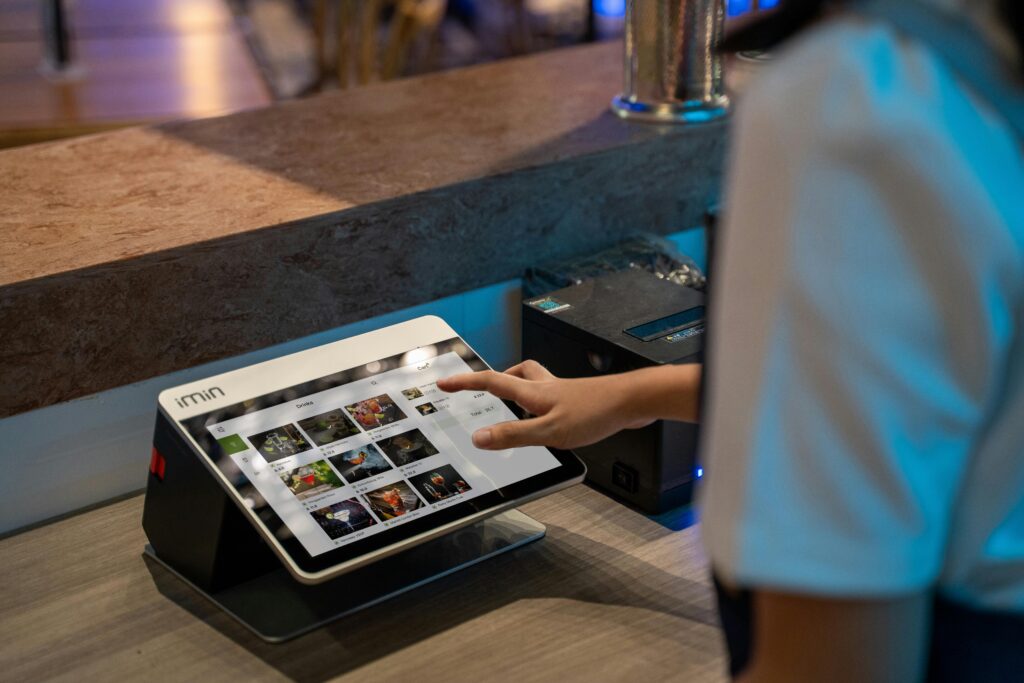
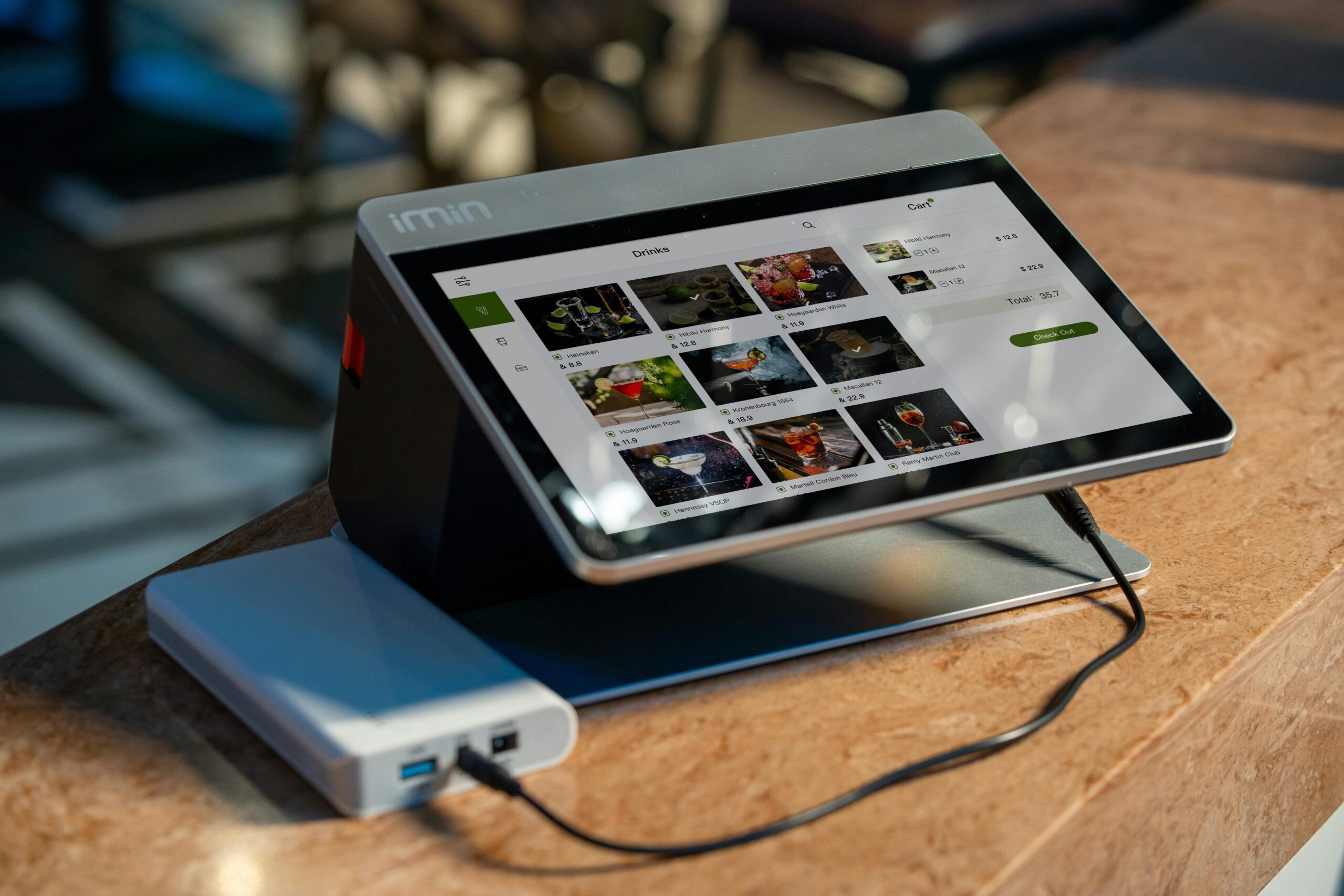
Modern systems use fast food technology to connect ordering and kitchen work. You can compare kiosk ordering vs counter ordering easily. Counter ordering depends onthe staff’s speed. Kiosks use screens and automation to reduce delays and mistakes.
Today, food courts use digital kiosks for restaurants and smart operations tools. These upgrades improve food court operational efficiency by keeping orders organized. The evolution happened because customers want speed. Businesses needed better systems to keep up.
Enhancing Customer Experience
Customers want control and speed when ordering meals. Self-service kiosks and digital ordering kiosks let people place orders without pressure. This helps improve restaurant customer experience because customers browse calmly. They also pay faster and move on.
Kiosks support contactless ordering and simple payment choices. They also offer order customization options like extra toppings or no sauce. Many screens include nutritional information displays for health-focused customers. That makes ordering feel clearer and more personal.
Food courts improve pickup flow when customers track orders easily. Clear screens reduce confusion and speed up service. This improves customer satisfaction because customers feel informed. You also achieve reducing food court waiting time with fewer line bottlenecks.
Operational Efficiency and Data Utilization
Automation strengthens daily work inside busy kitchens. Operational efficiency improves when orders move cleanly from kiosk to kitchen. You reduce delays and support workflow optimization by removing manual order writing. Kitchens stay calmer even during lunch rush waves.
Modern point of sale systems support accurate order routing. This enables real-time order processing and fewer missing items. Staff see clear instructions and build meals faster. This improves food service efficiency by reducing wasted effort and repeated corrections.
Automation captures data from every purchase. Customer behavior tracking and purchase pattern analysis help managers understand demand. These insights support data-driven decisions and better planning. Strong restaurant analytics improves operations by showing what sells and when.
Addressing Labor Challenges
Food courts often struggle with hiring and staffing gaps. The restaurant labor shortage makes it hard to keep enough workers on shifts. Automation reduces pressure by handling repetitive tasks. This supports smoother service even when the team is small.
Automation supports labor cost reduction by shifting basic ordering to kiosks. Staff spend less time taking orders and more time preparing food. This leads to staff productivity improvement because workers focus on tasks that keep service moving quickly.
Automation also helps teams avoid burnout during rush periods. It reduces repetitive steps and improves workflow. This supports automation solving labor shortages because staff handle more orders with less stress. Customers still get service and attention when needed.
Technological Innovations Driving Change
Emerging Technologies Shaping Food Court Automation
Modern food courts rely on connected tools for faster service. Food court automation includes ordering screens, payment,s and kitchen routing. These systems help handle rush hours without breakdowns. They create smoother ordering and preparation for both customers and staff.
Technology supports clear communication between kiosks and the kitchen. This strengthens connected kitchen technology because tickets show up instantly. Vendors avoid missed orders and duplicate work. The goal is simple. Speed up service and keep operations predictable.
More vendors adopt cloud-based restaurant systems for flexible control. These systems also support IoT in food courts through connected devices. Operators track performance and updates easily. Strong integration helps food courts stay efficient even during busy hours.
Service Kiosks and POS Systems
Kiosks help customers place orders quickly and clearly. Self-service kiosks reduce line pressure and speed up ordering. They improve wait times because customers order directly. That also improves accuracy because choices appear clearly on screen.
Kiosks need strong POS integration to work correctly. A reliable POS system for food court vendors keeps menu prices and orders synced. This supports automated POS and kiosk integration so every order reaches the kitchen without delays or errors.
These systems also improve payments and order records. Many vendors use automated payment systems to speed checkout. Faster payments improve flow during lunch rush. When POS and kiosks sync well, service becomes smoother, and customers feel more satisfied.
AI and Machine Learning
AI helps food courts understand demand patterns better. AI in restaurants analyzes order history and timing. This supports smarter planning without guessing. Vendors can prepare for busy periods and reduce slowdowns during peak customer waves.
AI supports predictive ordering systems that improve planning. It helps with demand forecasting by learning what customers buy at different times. These insights reduce sudden shortages and improve kitchen readiness. Better predictions lead to smoother service and higher consistency.
AI also improves menu suggestions on kiosks. Machine learning for food service supports personalized menu recommendations based on past patterns. This includes AI-powered menu suggestions that feel helpful. Smart menus improve ordering speed and customer satisfaction naturally.
Robotics in Food Preparation
Robots help with repetitive cooking tasks in fast food kitchens. Automated food preparation supports consistent timing and portion control. This reduces errors and speeds production. Food courts use automation to keep quality stable during high-pressure hours.
Many brands explore robotics in restaurants for grilling and frying. Some use robotic cooking systems like burger-flipping robots to handle repetitive work. This improves speed and keeps results consistent. Customers receive meals faster with fewer quality changes.
Automation also supports assembly work for certain menu items. Sandwich assembly automation helps build orders faster and reduces delays. This supports robot-assisted food preparation and smoother output. It helps kitchens maintain steady service during long rush periods.
Cloud-Based Systems and IoT
Cloud systems help vendors manage operations from anywhere. Cloud-based ordering systems keep menus and prices consistent. Managers can update items quickly without manual work. This supports smoother operations across busy food court environments in real time.
IoT tools connect devices inside kitchens and storage areas. IoT-connected restaurant systems support smart kitchen automation through monitoring and alerts. These tools reduce surprises and improve control. Connected devices help prevent breakdowns and improve workflow stability.
Cloud and IoT tools support smoother communication overall. They help with syncing the kitchen and ordering screens for accurate timing. This supports improving kitchen workflow with technology and fewer missed tickets. Better syncing improves service speed and customer experience.
Benefits of Automated Ordering Systems
Advantages of Automated Ordering Systems in Food Courts
Automated ordering systems help food courts serve customers faster and more accurately. They reduce pressure on staff, improve order flow, and create a smoother experience for everyone during busy hours.
- Automated ordering systems reduce waiting time by speeding up ordering and payment, especially during lunch rush in crowded food courts.
- They improve order accuracy because customers confirm selections on screen, reducing wrong items and costly remakes.
- Digital ordering kiosks support easy customization, allowing customers to adjust meals quickly without confusion or communication issues.
- Contactless ordering makes checkout faster and safer, helping customers pay easily using cards, mobile wallets, or tap payments.
- POS integration connects kiosks to kitchen screens, ensuring orders reach staff instantly with clear instructions and real-time updates.
- Real-time inventory tracking helps avoid stock shortages, making sure popular items stay available and menus stay accurate.
- Automated systems support data-driven decisions by tracking customer behavior, purchase patterns, and peak ordering times efficiently.
- Staff productivity improves because workers focus on food preparation and service, instead of repeating basic order-taking tasks.
Challenges in Implementing Automation
Overcoming Barriers to Automation in Food Courts
Food courts succeed when they plan automation carefully. Automation in food courts needs a clear ordering flow and strong system support. A rushed rollout can create problems. Vendors must test the system and fix issues before full launch.
Barriers often come from poor workflow design. Kiosks help with ordering, but kitchens must handle the increased speed. Managers must improve routing and pickup areas. Strong planning supports smoother results and better long-term performance in daily operations.
Staff training matters for successful rollout. Workers need to support customers using kiosks. This helps with balancing automation and human service. When staff stay confident, customers adapt faster. Smooth guidance reduces frustration and improves overall adoption.
Technological and Infrastructure Challenges
Food courts may lack strong internet wiring and power setups. These issues create infrastructure upgrades for restaurant automation needs. Without stable systems, kiosks can freeze or fail. That damages speed and trust and causes customer frustration quickly.
Space limits create another challenge. Vendors must place kiosks without blocking traffic. These are common challenges of installing food court kiosks. Poor layout can increase crowding and slow movement. Planning placement matters as much as the technology itself.
Technical failures require backup options. Vendors must keep a counter method ready when systems fail. Reliability protects revenue during busy hours. Strong infrastructure keeps automation stable and helps food courts deliver consistent service even in peak demand.
Data Management and Integration
requires systems to share accurate data across tools. Poor connections cause missed orders and wrong pricing. That is why integration matters for success. Vendors need systems that support smooth communication from ordering screens to kitchen operations.
Data tools support smarter decision-making when integrated properly. Restaurant data analytics tools help track order timing and performance. That includes using customer order data to understand trends. Without integration, vendors lose visibility and control over operations.
Integration also supports smoother ordering and pickup flow. Connected systems reduce confusion and delays. When data moves correctly, kitchens respond faster. This improves overall speed and accuracy and helps food courts handle larger crowds with fewer problems.
Human Factors and Staff Adaptation
Staff may worry automation will replace jobs or increase stress. Those concerns are common in food service. works best when staff understand the goal. It supports reducing repetitive staff tasks and improves focus on service and food quality.
Training helps staff feel confident using kiosk systems. Staff training for restaurant technology improves smooth operations. Workers learn how to guide customers and solve small issues. This reduces friction and improves adoption for both customers and employees.
supports teams during staffing shortages. It helps with automation, solving labor shortages by reducing order entry workload. Staff can focus on kitchens and pickup flow. That creates smoother service and stronger customer satisfaction during rush periods.
Cost and Financial Considerations
Automation requires investment in hardware, software, and maintenance. The cost of automation in food courts can be high for smaller vendors. Expenses include kiosks installation and subscriptions. Vendors must plan budgets carefully to avoid financial strain.
Cost planning should compare the investment to the real benefits. Automation can support speed, accuracy, and staffing efficiency. It also reduces waste and improves sales flow. Vendors should measure results over time and track improvements with reliable reporting tools.
Some operators scale faster than others. Bigger brands may handle costs more easily. Smaller vendors must choose carefully. Smart planning helps avoid overspending. A focused setup can still deliver great improvements without excessive upgrades.
Customer Experience and Acceptance
Customer comfort matters when adding kiosks. Some people enjoy screens and speed. Others prefer human help. That is why customer acceptance of kiosks depends on clear support and simple design. A confusing kiosk creates frustration fast.
Kiosks must feel easy and friendly. Clear menus, fast payment, and order tracking improve comfort. Customers need to know what happens next. A smooth flow reduces stress and improves satisfaction. Simplicity builds trust in the experience.
Food courts must keep service balanced and welcoming. Some customers still want human interaction. Vendors should support both options. That keeps service flexible and inclusive. Strong balance improves adoption while keeping customers happy across different preferences.
Case Study: Successful Implementation
Real-World Success in Food Court Automation
This case showed how to improve ordering and kitchen coordination. Food court automation reduced lines and improved speed. Kiosks helped customers place orders faster. The kitchen received clear tickets, which reduced confusion and improved output during rush hours.
The system improved staff focus and efficiency. Workers spent less time taking orders and more time preparing food. This supported staff productivity improvement and smoother service. Customers felt the process was clearer and more reliable, with faster ordering and pickup.
The vendor also gained better insight from data. Restaurant analytics helped track busy times and popular items. That supported data-driven decisions and better planning. The result was improved consistency and a better customer experience during weekend rush waves.
Future Trends in Food Court Automation
Emerging Trends Shaping the Future
The future will improve smart ordering and faster service. Food court automation will rely on connected tools across kiosks, kitchens, and inventory. The goal stays focused on speed, accuracy, and smoother customer experiences during rush periods and high-demand hours.
Trends will also improve personalization through smarter systems. Vendors will use better recommendations and forecasting. This supports smoother planning and fewer shortages. Customers will see menus that feel easier to use and faster to complete during busy times.
More vendors will invest in connected systems and data insights. These tools improve daily decisions and performance. The future aims to make food courts calmer and more efficient. Customers will benefit from smoother flow and less waiting overall.
Integration of AI and Machine Learning
AI will help food courts predict demand more accurately. Predicting customer preferences with AI supports smarter planning and faster service. Vendors will prepare inventory and staffing based on patterns. This helps reduce stress during peak ordering periods.
AI will improve demand forecasting for food courts by learning daily behavior. Machine learning for food service will support better planning and smoother kitchen flow. This reduces shortages and improves output speed. Customers get consistent service even during rush hours.
AI will also improve menus and suggestions. AI-powered menu suggestions create faster choices. This supports predictive ordering systems that guide customers smoothly. Smart menus help reduce decision time and improve ordering speed without extra effort from staff.
Enhanced Customer Interaction with Voice Technology
Voice ordering may become more common in food courts. Voice ordering kiosks in restaurants can help customers order without touching screens. This supports easier access and faster flow. Customers speak choices and confirm orders through simple guided prompts.
Voice systems can improve ordering comfort for many customers. They reduce confusion and speed up ordering steps. Voice can feel natural and direct. It may also reduce long lines because ordering becomes quicker and easier for people who hesitate on screens.
Food courts must ensure voice systems stay clear and accurate. Loud environments can create challenges. Vendors must design voice tools carefully. When done right, voice ordering supports speed and comfort and improves ordering flow without adding extra confusion.
Robotics in Food Preparation and Delivery
Robots will expand in fast food kitchens where tasks repeat often. Robotics in fast food kitchens supports faster output and consistent cooking. Machines handle repetitive steps, which improves timing and reduces mistakes. This helps vendors serve faster during rush hours.
Automation will support consistent cooking and assembly. Automated cooking for consistency improves quality and speed. Robots can assist with frying, grilling, and assembly. This improves automated food preparation and keeps meals steady even when crowds grow quickly.
Delivery inside food courts may also change. Systems may guide pickup flow and reduce counter crowding. Robots may assist with moving items to pickup areas. These changes support smoother operations while keeping staff focused on service and food quality.
Blockchain for Transparency and Trust
Blockchain may help food courts prove ingredient sourcing and handling. Blockchain in restaurant supply chains supports transparency and trust. It creates records that show where items came from. Customers gain confidence when brands provide clear sourcing details.
Food courts may offer QR codes for ingredient tracking. Customers can scan and view information quickly. This supports trust for customers who care about quality. Transparency builds loyalty and helps brands stand out in competitive food court environments.
Blockchain can also support faster tracing during supply issues. Vendors can identify sources quickly and respond faster. This reduces risk and confusion. Customers feel safer when brands show clear records. Trust becomes a stronger reason to return.
Frequently Asked Questions
What is food court automation in simple terms?
It uses smart tools to handle ordering payments and tracking faster, improving flow accuracy and smoother service overall.
How do automated ordering systems reduce waiting time
They shorten lines by speedingup ordering and checkout while organizing traffic so customers move through faster.
Are self-service kiosks better than counter ordering
They give customers more control, reduce mistakes,s and support easy customization without rushed face-to-face ordering.
What does POS integration mean for food courts?
It connects menu, prices, e-payments, and kitchen orders so everything updates instantly and stays accurate.
How do kitchen display systems help restaurants?
They show orders clearly in real time, helping kitchens work faster,r reduce errors,s and stay organized.
Can AI in restaurants really improve sales
Yes, it learns buying patterns,s suggests betteradd-ons predicts demand, and helps managers plan smarter daily.
What are common automation implementation challenges
Common issues include weak internet, costly setup, poor training system crashes,s and customer confusion during busy rush periods.
Conclusion
Automation is changing how food courts work. speeds up ordering and payment. helps staff stay focused. makes the service smoother. This article showed a real case study. It followed a food ordering system case study step by step. It also explained how a food court ordering system can cut delays. improves accuracy, too. reduces stress during rush hours. also supports better planning. keeps customers moving. helps kitchens stay organized.
This case study of automation in fast food proves can work well. still needs a good setup and training. must stay reliable every day. also connects with automation in food delivery for pickup and tracking. Some projects go beyond restaurants, like the automation of federal courts project. Different field same idea. saves time and improves flow. will keep growing. will keep getting smarter. will keep raising expectations.






4 Comments