

Introduction
When I first saw those home automation ads, I imagined a life where lights dimmed when I spoke, doors locked behind me automatically, and my favorite playlist followed me around the house. It sounded magical — until I tried it myself. My first setup was a disaster. I bought a few core technologies in smart devices — a bulb here, a lock there — but nothing worked together. It felt like solving a puzzle with missing pieces.
Things finally started making sense when I dug deeper into the real tech behind it all — Wi-Fi, Zigbee, Z-Wave, and Matter. These weren’t just fancy words; they were the secret languages that made my devices talk to each other. Once I understood how they worked, my smart home went from frustrating to fascinating. The systems finally synced, and the dream I saw in those commercials started to feel real — simple, connected, and surprisingly human.
Connectivity: The Backbone of Smart Devices
Connectivity as the Lifeline of Smart Devices
After spending years experimenting with smart tech, one thing became clear — connectivity is everything. It’s the thread that links people, machines, and digital systems together through the Internet of Things (IoT). Without it, smart devices would just be silent boxes.

From Wi-Fi and Bluetooth to 5G, these technologies make sure devices communicate smoothly, share data instantly, and stay in sync. They’re the reason why your phone talks to your car, or your smartwatch reminds you to move after an hour of sitting. Strong connections bring these systems to life — powering smart homes, smart cities, and every tiny gadget in between.
Challenges and Opportunities in IoT Connectivity
Of course, nothing’s perfect. The more devices we connect, the more we open doors to security risks. In my work with IoT systems, I’ve learned that privacy isn’t just a setting — it’s a responsibility.
But here’s the interesting part — challenges always create room for innovation. Developers are now using edge computing to process data closer to where it’s collected, making systems faster and safer. This shift doesn’t just protect privacy; it also makes devices smarter, more responsive, and more independent.
The Impact of Edge Computing on Smart Devices
Transforming Data Processing at the Edge
Edge computing completely changed how smart devices handle data. Instead of sending everything to distant cloud servers, it processes information right where it’s created — on the device itself. That means faster decisions, less lag, and fewer errors.
This is a big deal for things like predictive maintenance or real-time responses. Imagine a sensor detecting an equipment fault and fixing it before you even notice. That’s edge computing at work — efficient, immediate, and reliable.
Enhancing Security and Privacy
One of the best things about edge computing is how it protects privacy. Since data stays closer to the source, there’s less risk of interception. From my experience with connected systems, this makes users feel safer knowing their personal information isn’t flying around the internet.
Optimizing Resource Utilization
It’s also smarter about energy use. By sharing processing tasks between devices and servers, edge computing reduces waste and boosts performance. It’s the kind of efficiency that keeps technology green and sustainable — a quiet but powerful win for the planet.
Security Challenges in Smart Device Technologies
Addressing Security in the Age of Smart Devices
As our homes, cars, and offices fill with connected gadgets, security becomes the heart of trust. I’ve seen how a single vulnerability can ripple through an entire network. It’s not just about technology — it’s about protecting lives that depend on it.
Challenges in Securing IoT Devices
The real challenge? Every device is different. Some are tiny sensors; others are full computers. A single security solution rarely fits all. From my experience designing IoT modules, balancing performance and protection is a constant juggling act.
Data Privacy Concerns
With AI and machine learning running inside these systems, devices are getting smarter — but also more curious. They learn from data, which makes them helpful, but that same data must stay private. Transparent policies, encryption, and honest communication keep users’ trust intact.
Strategies for Enhancing Security
Here’s what works best in real life:
- Use encryption to lock sensitive information.
- Add multi-factor authentication for extra safety.
- Keep software updates regular and automatic.
And by combining all that with edge computing, we reduce how far data travels — cutting risks dramatically. Strong security isn’t optional anymore; it’s the foundation that holds the smart world together.
User Interface Innovations in Smart Devices
Revolutionizing User Experiences with Smart Interfaces
I love watching how design brings technology to life. Today’s smart interfaces don’t just work — they understand you. Devices adjust to your routine, predict what you need, and feel almost alive.
Thanks to AI, our homes are learning spaces. They adjust the lighting when you’re tired or lower the temperature when you’re asleep. Every touch, swipe, or word you say teaches them something new — making daily life easier without feeling mechanical.
Voice and Gesture Control: The New Norm
Voice and gesture controls have changed how we interact with tech. Instead of tapping screens, we now talk or wave. With advanced machine learning, devices understand natural speech patterns and gestures with amazing accuracy.
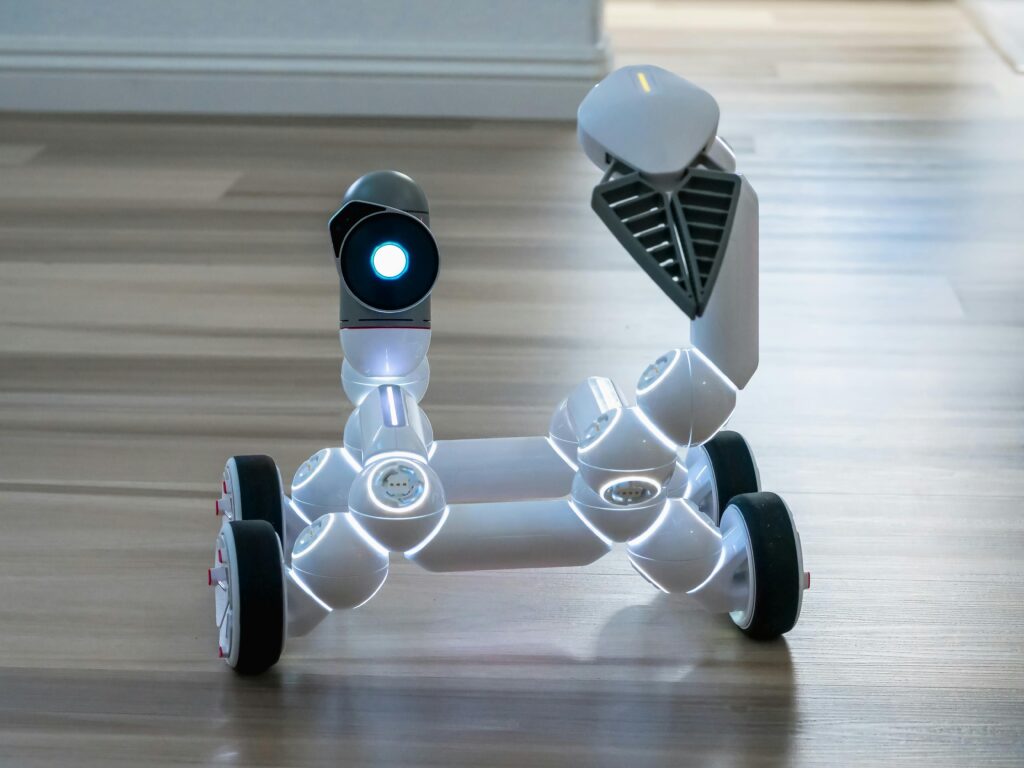
In smart cities, these technologies make public services faster and more intuitive. Behind the scenes, IoT sensors constantly process data to improve systems — from predicting maintenance needs to optimizing traffic flow.
Challenges and Opportunities
Of course, smarter interfaces mean more data — and more responsibility. Developers must build security into every layer of design. The future lies in real-time, human-like interactions powered by edge computing, where devices feel both intelligent and personal.
The Future of Software Development for Smart Devices
Emerging Trends in Software Development
Software for smart devices is evolving faster than ever. Developers now focus on seamless integration — blending hardware, data, and user experience to make devices feel natural, not technical.
Integration of Machine Learning and AI
The combination of AI and machine learning gives devices a kind of intuition. They can predict problems, adapt instantly, and make human-like decisions. These systems don’t just follow commands — they learn and improve with every use.
Advancements in Connectivity and Edge Computing
Better networks and edge computing have made everything more responsive. Data moves quicker, devices use less energy, and large systems — like smart cities — run more efficiently.
Focus on Security and Privacy
With every connection comes responsibility. Developers are embedding encryption, authentication, and risk control directly into software architecture. Security isn’t just added later — it’s built in from the start.
User-Centric Design and Interface Innovation
The best technology feels invisible. That’s the goal of modern design — to make devices so intuitive that anyone can use them effortlessly. A mix of clean visuals, personalization, and emotional understanding is now shaping the next generation of smart devices.
Future Directions and Challenges
The road ahead will blend IoT, cloud computing, and interoperability. The challenge isn’t just to connect more — it’s to connect better. The future of smart devices lies in empathy, adaptability, and a focus on people, not just performance.
FAQ’s
What technology is used in smart devices?
Smart devices rely on wireless core technologies like Bluetooth, Zigbee, Wi-Fi, and NFC to stay connected. With newer systems like Li-Fi, NearLink, and 5G, devices now communicate faster and even make independent decisions — like adjusting lights or temperature automatically.
What are the core technologies of IoT?
IoT runs on a mix of Wi-Fi, Bluetooth, cellular, Zigbee, and LoRaWAN networks. These systems let data move smoothly between devices and the cloud, where it’s processed and analyzed to make everything — from wearables to industrial tools — more efficient.
What is a core technology?
A core technology is the foundation behind every innovation. It’s the engine that powers smart systems — from the CPU in your phone to the software that keeps it running. Understanding these basics helps developers and users see how technology works in harmony to create smarter products.
What are the 10 useful core technologies?
In the world of smart devices, ten core technologies stand out: artificial intelligence, 3D design, virtual reality, metaverse, automation, biotechnology, nanotechnology, 5G, cloud, cybersecurity, and predictive analytics. Each plays a special role — from speeding up performance to protecting your data and making devices truly intelligent.



5 Comments