
Introduction
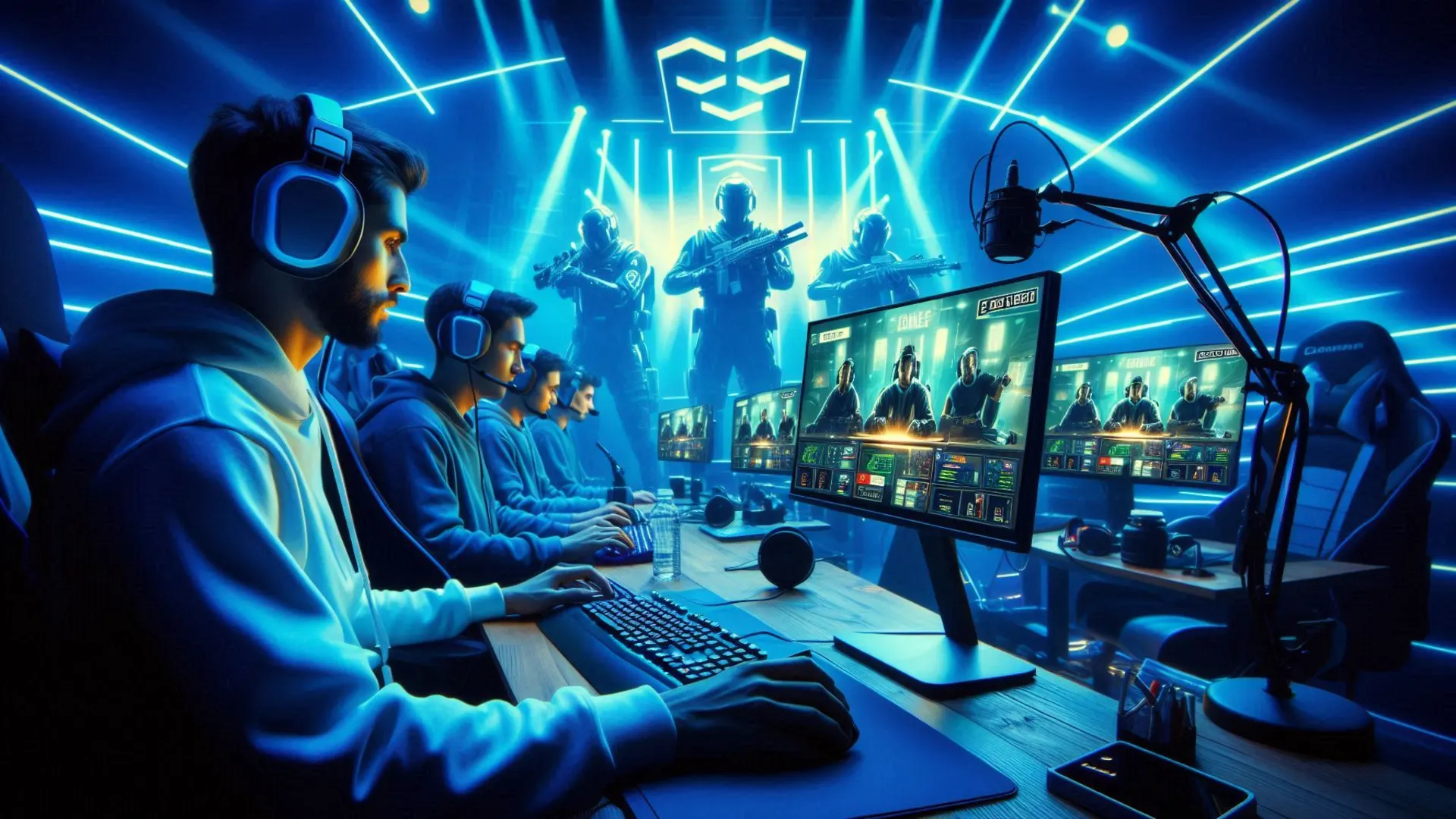
Esports wouldn’t exist at today’s scale without technology. At its core, esports technology is the mix of hardware, software, and digital systems that make competitive gaming fair, fast, and watchable. It powers everything you see and don’t see—smooth gameplay, low input lag, live broadcasts, anti-cheat protection, and real-time stats.
In 2025, this technology matters more than ever. Prize pools keep growing, audiences expect flawless streams, and players compete at razor-thin margins. Therefore, even tiny delays or weak systems can decide who wins or loses. If you’re new to esports, this guide walks you through how the tech works, why it matters, and what comes next—without jargon or hype.
What Is Esports Technology?
Esports technology explained for beginners
Esports technology refers to the digital tools and systems built specifically for competitive gaming. Unlike casual gaming setups, these systems focus on fairness, speed, and reliability. For example, professional matches need stable servers, precise hardware, and strict monitoring to prevent cheating.

In addition, esports gaming technology supports large audiences. Millions of viewers watch matches live, so production tools must handle high-quality video, instant replays, and real-time overlays. Without this foundation, competitive gaming couldn’t scale.
Core parts of the esports tech ecosystem
The esports tech ecosystem includes several moving pieces working together:
- High-performance game servers and networking
- Tournament and league management software
- Anti-cheat systems and integrity tools
- Streaming and broadcast production technology
- Analytics and performance tracking platforms
Together, these parts create a stable environment for players, organizers, and fans.
How Esports Technology Works Behind the Scenes
From player input to live broadcast
Every competitive match follows a clear technical path. A player clicks a mouse or presses a key, and the game engine processes that action instantly. The server then validates it and sends updates to other players in real time. Finally, broadcast systems capture the match and stream it to viewers.
Because this chain moves so fast, latency optimization becomes critical. Even a small delay can change outcomes in competitive gaming technology.
Why low latency defines fair competition
Low latency means actions register almost instantly. In esports, fairness depends on this. If one player experiences delay while another doesn’t, the match becomes unbalanced. Therefore, organizers rely on edge computing, optimized networks, and LAN tournament systems to keep response times low.
However, even the best systems can’t fully remove lag for online events. That’s why top tournaments still prefer local setups when possible.
Key Types of Esports Technology Powering Competitive Gaming
Game engines and server infrastructure
Game engines like Unity and Unreal Engine form the technical base of esports titles. They control physics, visuals, and how matches run. On top of that, dedicated servers manage real-time communication between players.
Strong esports infrastructure ensures consistent frame rates, stable connections, and fair hit detection. Without it, competitive play breaks down quickly.
Tournament management and competitive platforms
Tournament software handles brackets, scheduling, team verification, and results. Cloud-based tournament management tools now allow organizers to scale events globally. However, large leagues often build custom systems for better control.
These platforms also integrate anti-cheat tools and player tracking software, which helps maintain trust in results.
Streaming and Esports Production Technology
Live streaming tools and platforms
Esports live streaming technology turns matches into entertainment. Tools like OBS Studio capture gameplay, while platforms such as Twitch and YouTube Gaming deliver it to viewers. Real-time overlays show scores, stats, and player cams, which keeps fans engaged.
Low-latency streaming matters here too. Delays can spoil moments and reduce interaction during live chats.
Audience engagement and broadcast features
Modern esports production technology focuses on interaction. Features like live polls, instant replays, and multi-angle viewing give fans control. As a result, watching esports feels more participatory than traditional sports broadcasts.
Still, advanced production setups cost money. Smaller events often rely on simpler tools to stay within budget.
Performance and Hardware Technology in Esports
Esports hardware and peripherals
Professional players rely on specialized esports peripherals. These include high-DPI mice, mechanical keyboards, lightweight headsets, and gaming monitors with high refresh rates. Each piece helps reduce input lag and improve consistency.
However, expensive gear doesn’t replace skill. Beginners shouldn’t assume hardware alone guarantees better performance.
Performance-enhancing technology for players
Esports performance technology also includes software. Frame rate optimization tools, input lag reduction settings, and system tuning help players stay competitive. Some teams even use biometric monitoring to track stress and focus levels.
That said, this level of tech mainly benefits professionals. Casual players rarely need such deep optimization.
Data, AI, and Analytics in Esports
Esports analytics tools and data platforms
Data drives modern esports. Esports data platforms collect player performance metrics like accuracy, reaction time, and movement patterns. Coaches use this data to review matches and adjust strategies.
Real-time data analytics also support broadcasts, giving viewers deeper insights during games.
AI-driven coaching and match analysis
Artificial intelligence and machine learning algorithms now help analyze matches faster than humans alone. AI-driven coaching tools can spot patterns, predict outcomes, and suggest improvements. Therefore, teams gain a competitive edge through smarter preparation.
Still, AI doesn’t replace human judgment. Coaches must interpret insights carefully to avoid overreliance on numbers.
Emerging Esports Technology Trends (2025–2026)
Cloud computing, 5G, and edge computing
Cloud computing allows esports platforms to scale quickly. With 5G connectivity, mobile esports and remote tournaments become more reliable. Edge computing further reduces latency by processing data closer to players.
Together, these trends expand access. However, infrastructure quality still varies across regions in the U.S.
VR, AR, and immersive experiences
Virtual reality and augmented reality appear in training and spectator experiences. AR overlays add depth to broadcasts, while VR helps players practice scenarios. Despite the hype, VR esports remains niche due to cost and comfort limits.
For now, these tools complement rather than replace traditional setups.
Real-World Examples of Esports Technology in Action
Large publishers and global leagues
Major publishers invest heavily in esports infrastructure. Riot Games, for example, uses dedicated servers and custom production tools to run global events smoothly. This investment ensures consistent quality across regions.
Such systems show how advanced esports tech solutions support massive audiences.
College and grassroots esports in the U.S.
Many U.S. colleges now run esports programs with dedicated labs. These setups use LAN systems, analytics software, and broadcast tools to train students. Grassroots tournaments also adopt affordable tech stacks to grow communities.
This shows how technology in esports adapts to different scales.
Benefits and Limitations of Esports Technology
Clear benefits for players, fans, and organizers
Advanced technology improves fairness, performance, and viewing quality. Players get stable matches, fans enjoy immersive broadcasts, and organizers manage events efficiently. Therefore, the entire ecosystem benefits.
These gains explain why investment in esports tech innovations keeps rising.
Limitations, risks, and who it’s not for
Esports technology comes with downsides. High costs, complex setups, and constant updates can overwhelm small teams. Online events still face latency issues, and anti-cheat systems aren’t perfect.
This guide isn’t ideal if you only want casual gaming tips. It focuses on competitive and organized play.
How to Choose the Right Esports Technology Stack
Step-by-step decision checklist
Before investing, consider:
- Event size and audience
- Game type and platform
- Budget and technical skill
- Need for analytics or streaming
These factors help narrow options quickly.
Custom platforms vs ready-made tools
Ready-made tools work well for small events. Custom platforms offer control, branding, and scalability for large leagues. Therefore, long-term goals should guide your choice.
Always test tools before committing fully.
Esports Technology and the Future of Competitive Gaming
Where the industry is heading
The future of esports technology points toward automation, smarter analytics, and wider access. AI will assist more roles, while cloud systems lower entry barriers. As a result, competitive gaming becomes more inclusive.
However, human creativity and community still matter most.
What beginners should focus on next
Newcomers should learn fundamentals first. Understanding servers, hardware basics, and streaming tools builds confidence. After that, exploring analytics or production tech makes sense.
Small steps prevent overwhelm.
FAQ’s
What technology is used in esports?
Esports uses servers, streaming tools, analytics software, anti-cheat systems, and professional hardware. Together, they support fair play and live broadcasts.
How does AI improve esports performance?
AI analyzes match data, tracks player habits, and suggests improvements. Coaches then use these insights to refine strategies.
What hardware do professional esports players use?
Pros use high-refresh-rate monitors, precision mice, mechanical keyboards, and optimized PCs. These tools reduce lag and improve consistency.
How does low latency affect competitive gaming?
Low latency ensures actions register instantly. Without it, players experience delays that can decide matches unfairly.
Conclusion
Esports keeps growing because technology keeps improving. When you understand how esports technology works, you see why competitive gaming now rivals traditional sports in scale and impact. The key takeaway is simple: strong tech creates fair matches, better viewing, and real opportunities. If you’re just starting, focus on learning the basics first, then build your setup step by step.







3 Comments