
Introduction
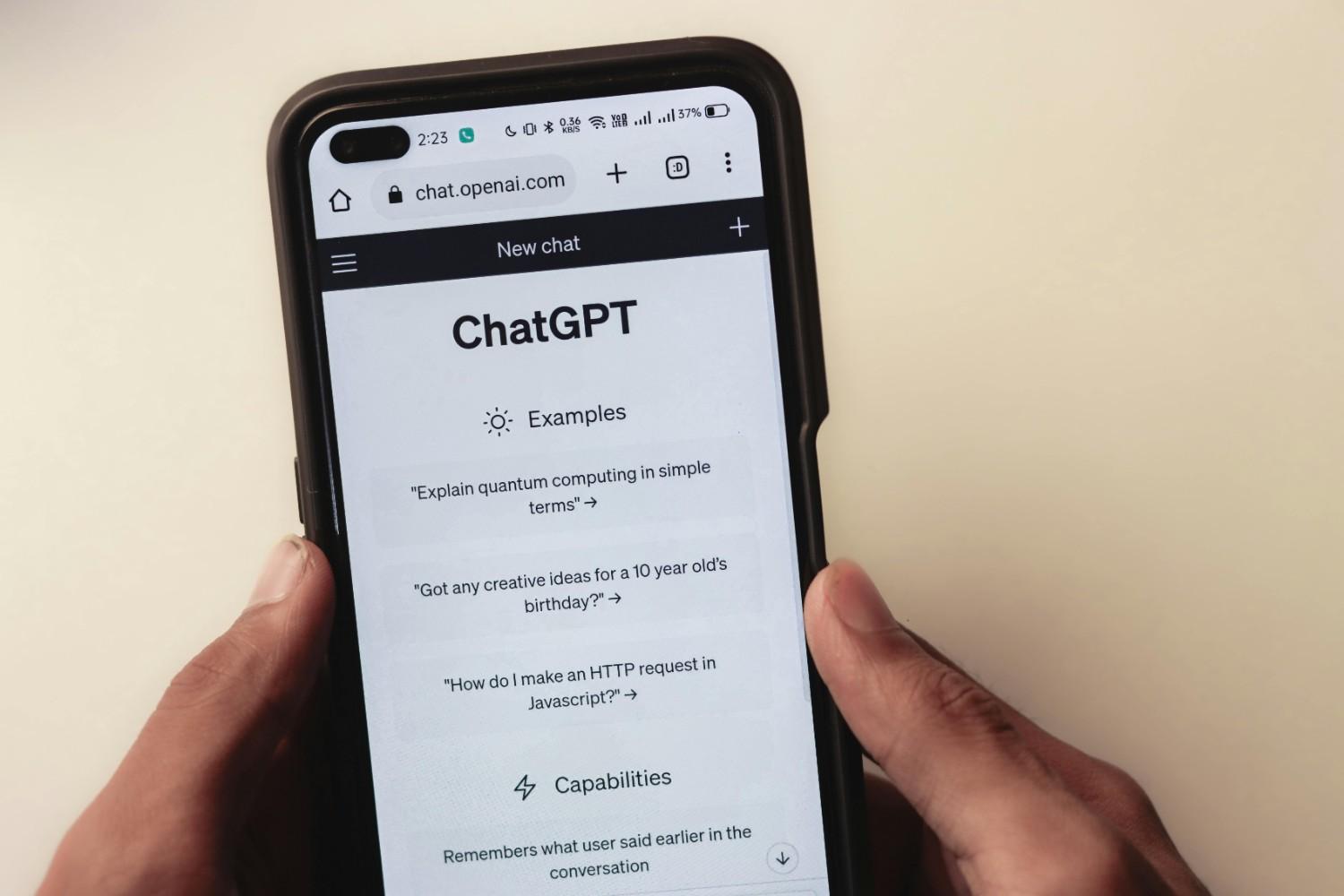
Businesses today don’t just need faster replies — they need smarter ones. Having spent time working alongside AI chatbot development services teams, I’ve seen firsthand how intelligent bots shift the entire rhythm of customer assistance. They don’t merely respond — they comprehend, adapt, and converse in a remarkably natural way that genuinely surprises first-time observers.
What separates modern artificial intelligence chatbots from earlier automation is their capacity to reduce friction across every touchpoint. Machine learning and natural language processing work beneath the surface, quietly decoding user inquiries and turning repetitive operations into seamless exchanges. The reduction in human interaction overhead alone justifies investment for most organizations at scale.
The practical power behind NLP becomes obvious when you watch intelligent virtual assistants handle layered questions without breaking flow. These systems communicate in real time, processing concerns with speed that traditional support models simply cannot replicate. Personalizing interactions at this level was once expensive — now it’s a baseline expectation, especially when facilitating high-volume support environments.
What I find most compelling is how effectively these tools help organizations connect with audiences they previously couldn’t reach efficiently. The ability to cut down response time and operational effort simultaneously — while delivering prompt responses — redefines what scalable service looks like. This is not a replacement for human judgment; it is an intelligent extension of it.
What Are AI Chatbot Development Services?
AI chatbot development services involve designing, creating, and implementing intelligent bots that converse in a natural way, using machine learning and natural language processing to comprehend user inquiries and respond with precision. These solutions automate repetitive operations, reducing human interaction overhead while maintaining quality engagement across digital touchpoints.

From my experience working within this space, businesses adopting conversational AI discover that advanced language models and cutting-edge AI technologies fundamentally reshape how companies handle customer queries. AI-powered chatbots, engineered to operate with minimal human oversight, deliver a premium experience through intelligent virtual assistants — making 24/7 availability no longer humanly impossible but an operational standard.
Types of Chatbots
Rule-Based Chatbots
Rule-based chatbots operate through predefined conversation steps, responding only when inputs match expected response patterns. Unlike AI/NLP-powered systems, they follow rigid procedures without learning. From experience, these bots handle frequently asked questions and basic issues efficiently, making them a reliable starting point for businesses.
These simple bots integrate well with current systems, offering secure data handling without complexity. They lead users through structured step-by-step flows, ideal for customer service and routine questions. Though limited in scope, their consistent service and predictable behavior make deployment straightforward across websites and mobile apps.
Task-Oriented Chatbots
Task-oriented chatbots are custom-built bots engineered to carry out tasks with precision — from booking reservations and handling payments to appointment scheduling and order tracking. Unlike general assistants, they integrate smoothly with CRM, ERP, and content management systems for seamless execution.
What makes them effective is their ability to reduce costs, decrease response times, and accelerate response times across communication channels. Built on high-quality data, they deliver prompt, precise, tailored support — helping human agents focus on complicated problems without unnecessary human involvement.
AI/NLP-Powered Chatbots
These chatbots leverage NLP — natural language processing — to comprehend, interpret, and respond in a human-like experience, processing context, intent, and sentiment from conversations to deliver genuinely natural dialogue that feels remarkably human.
Unlike rigid systems, they improve through machine learning, building on previous interactions and refining responses and suggestions continuously. From my experience, this learning loop is what separates truly intelligent bots from basic automated tools.
Hybrid Chatbots
Hybrid chatbots combine the precision of rule-based logic with the intelligence of AI/NLP-powered systems, enabling bots to handle both repetitive activities and complex queries. This dual architecture lets businesses deploy solutions that increase accuracy while maintaining cost-effective operational control.
Unlike purely task-oriented designs, hybrid models learn from previous interactions, adapting dynamic responses to evolving user language. They communicate in a human-like manner, bridging structured workflows with natural conversations — making them ideal for business requirements demanding both reliability and intelligence.
Multimodal Chatbots
Multimodal systems process audio, text, and visual combination inputs simultaneously — a capability that fundamentally changes how artificial intelligence handles complex queries. Unlike single-channel bots, these platforms understand queries across formats, enabling richer conversations and far more engaging, human-like interactions with users.
Through NLP and context-aware processing, multimodal chatbots connect customers to individualized responses grounded in user behavior — whether input arrives as spoken audio or typed text. Businesses using these tools assist audiences across diverse platforms, building stronger relationships that genuinely fundamentally change customer engagement outcomes.
Social Media Bots
Social media bots are redefining how a business connects across platforms and communication channels. Deployed strategically, each bot interacts with users in real time, driving engagement that scales beyond what traditional social media management teams can realistically sustain independently.
What separates effective social media automation is precision — knowing which channels to deploy bots on, from website widgets to mobile app integrations. These bots don’t just respond; they build measurable, consistent engagement pipelines that transform passive audiences into active users.
Voice-Enabled Chatbots
Unlike rule-based systems tied to predetermined guidelines, voice-enabled architecture processes natural user language through advanced neural networks, converting spoken interactions into real-time structured conversations. This lets users bypass typed inputs entirely, making accessibility and convenience genuinely transformative for complex queries demanding immediate, hands-free resolution.
From healthcare consultations to e-commerce placing an order, voice interfaces engage customers through human-like individualized responses, analyzing user behavior and preferences dynamically. Developers train these systems on high-quality data, ensuring robustness while maintaining regulatory compliance — a critical factor as data privacy concerns intensify across sectors.
Transactional Chatbots
Finishing a purchase, making a reservation, or routing internal systems requests — transactional workflows demand efficient operation beyond surface-level conversation. These bots execute defined outcomes, carrying out tasks effectively where human involvement adds unnecessary delay and customer frustration.
Unlike NLP-driven dialogue models, transactional chatbots prioritize accurate action completion — processing refunds, confirming orders, or triggering payment processors directly. When seamlessly embedded into CRM platforms or ERP solutions, they independently resolve queries, dramatically cutting first response times and lifting.
GPT-Powered Chatbots
Unlike rigid, rule-based systems, GPT-powered chatbots process context dynamically, generating tailored replies that react organically to shifting complex relationships within conversations. From finance to real estate, these bots handle complex dialogue with human-like depth, leveraging generative AI naturally.
Businesses across banking, e-commerce, and SaaS deploy GPT-powered solutions to deliver personalized, engaging exchanges beyond scripted flows. With AI flexibility fused into every response layer, these chatbots transform customer interactions, replacing transactional rigidity with genuinely tailored conversational intelligence that drives measurable outcomes.
OUR AI CHATBOT DEVELOPMENT SERVICES
We don’t just build chatbots — we engineer customer-centric, business-aligned conversational solutions that reflect your brand personality and serve your specific needs. Our talented chatbot developers, AI/ML engineers, conversation designers, UI/UX designers, software developers, and AI strategists collaborate across sectors and channels to deliver custom chatbot solutions that genuinely move the needle on customer engagement.
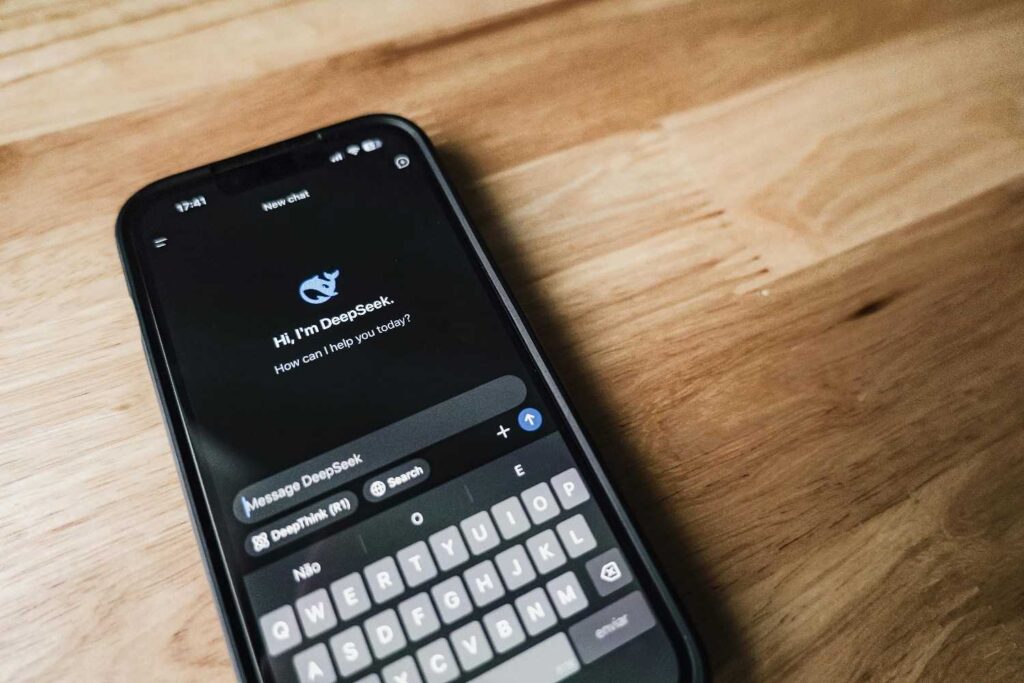
What sets our work apart is how deeply specialized our process is. Every engagement starts with understanding your audience — their behaviors, expectations, and friction points — then building a positive user experience that scales. Whether you’re operating in regulated industries or fast-moving digital markets, our cross-functional teams bring the architectural depth required to deliver chatbot development that performs under real-world pressure.
We’ve seen firsthand how the right conversational AI transforms operations. From chatbot development scoped for enterprise pipelines to nimble deployments across emerging channels, our team delivers solutions where intelligent design meets measurable outcomes — not just functional bots, but strategic AI strategist-backed systems that grow with your business.
Custom Chatbot Development
Every business carries a unique operational DNA — off-the-shelf bots rarely honor that. Custom chatbot development means skilled AI chatbot developers architect solutions around your goals, your real data, and your audience’s actual behavior, not generic templates borrowed from unrelated sectors.
What separates genuinely innovative builds is how they fulfill a defined purpose — whether serving potential clients across channels or handling human resources workflows. A custom-built approach aligns technical expertise with real-world problem-solving, turning friction points into seamless, intelligent customer experiences.
NLP Chatbot Development
What separates a truly functional NLP bot from a basic rule-based one isn’t just technology — it’s the ability to react organically to human emotions and intent. Seasoned AI developers train these systems on real data, embedding intent detection, fallback logic, and escalation points so conversations flow naturally without breaking.
Unlike static bots, NLP-driven systems continuously learn from interaction patterns, refining responses and suggestions using layered machine learning beneath the surface. From voice-enabled chatbots to models built on NLP-advanced AI voice recognition, each build demands precision — turning a complex idea into deployable reality across diverse user touchpoints.
Chatbot Integration
Chatbot integration pairs intelligent bots with existing communication channels, business workflows, and CRM or ERP systems, enabling calculated responses without constant human intervention. This process demands faster delivery while ensuring every chatbot touchpoint aligns seamlessly with operational infrastructure already in place.
Successful deployment requires rigorous tests across channels to verify stability and contextual accuracy. When integration is executed precisely, businesses unlock real efficiency — reducing friction, accelerating chatbot responsiveness, and allowing teams to focus on strategy rather than manual process management.
Chatbot Monitoring & Support
Post-deployment silence is where most chatbot projects quietly fail. Monitoring performance through structured feedback loops reveals what polished demos never show — gaps in real user queries, shifts in customer behavior, and response patterns requiring continuous enhancements to maintain genuine user experience quality.
Experienced developers apply a hands-on approach to live chatbot monitoring, analyzing queries, flagging problems, and pushing proactive updates that sharpen responsiveness. Without ongoing chatbot support, even well-built chatbots drift from regulatory compliance, losing the engagement and tailored support that made them valuable initially.
Chatbot Development Process
Most teams underestimate how structured a chatbot development process truly needs to be. From early Discovery and Strategy sessions — where stakeholders surface genuine pain points — through Design, where voice, tone, and aesthetics shape a truly intuitive experience, every phase compounds. Skipping one structured process step quietly fractures the entire vision downstream.
Development then hands off to Integration, Deployment, and finally Monitoring with Continuous Enhancement — where the bot meets reality. What separates mediocre builds from genuinely engaging ones is discipline across all eight phases: each decision in Design echoes through features, while the model evolves only when Monitoring reveals what users actually need.
Discovery & Strategy
Before any line of code gets written, the real work begins with understanding — mapping customer pain points, queries, and conversion gaps that existing human support or email communication simply cannot resolve at scale. Effective Discovery & Strategy aligns businesses with the right chatbot architecture from the start.
This phase drives custom direction by evaluating resources, defining company goals, and identifying where artificial intelligence can genuinely assist without eroding customer experience. Done right, strategy transforms development services from a technical exercise into a measurable support solution built for real outcomes.
Design Chatbot
Experienced chatbot developers understand that designing an effective bot begins long before the first line of code. A well-designed architecture must reflect unique needs and goals, ensuring the chosen type of chatbot aligns with customer care support expectations and operational complex requirements across every touchpoint.
Custom chatbot development demands a disciplined plan that incorporates Natural Language Processing expertise alongside real behavioral insight. Teams that specialize in AI chatbot solutions evaluate customer queries, sections of daily operations, and interaction patterns to design a bot that genuinely communicates with human emotions in mind.
Development
Building a chatbot demands more than code — it starts with design. Teams map out the user interface with potential users in mind, ensuring customers receive contextual answers without friction. A well-structured interface determines whether interactions feel intuitive or forced from the first exchange.
Beyond aesthetics, development bridges strategy and functionality. Every screen, flow, and response path is engineered around real behavior patterns. When architecture aligns with genuine user intent, the result isn’t just a working product — it’s one that consistently performs under pressure.
Integration & Deployment
Every interaction point a business owns — CRM portals, support desks, internal dashboards — becomes exponentially more valuable when chatbot integration is executed with architectural precision rather than bolted on as an afterthought. Deployment decisions made early define scalability outcomes months later.
Effective system integration isn’t merely a technical checkbox; it’s where conversational AI either earns trust or loses it entirely. Teams that prioritize backend coherence during deployment consistently report superior customer experiences, because the chatbot operates with full contextual awareness rather than isolated response logic.
Monitoring & Continuous Enhancement
Effective chatbot monitoring demands more than passive observation — it requires live monitoring paired with proactive updates that respond to shifting customer needs. Using monitoring tools and live performance metrics, teams can track every interaction, identify friction points, and push targeted refinements before degradation ever reaches the end user.
Ongoing chatbot support isn’t an afterthought; it’s the mechanism through which an AI chatbot sustains its relevance. Through dedicated security auditing and real-time responsiveness checks, the system adapts continuously — ensuring the AI chatbot delivers consistent value against evolving behavioral patterns and emerging threat vectors.
Industries We Serve
From the travel industry to educational institutions, our AI chatbots simplify demanding workflows across sectors. We personalise customer experiences, proactively engage users, and boost interaction quality — assisting customers with online shopping, handling orders, and monitoring deliveries seamlessly across every domain.
In real estate, chatbots answer questions, arrange viewings, and plan virtual tours. Agribusinesses rely on real-time coaching, weather forecasts, inventory tracking, pesticides and fertilizers guidance. Meanwhile, internal teams benefit from automating standard IT and HR inquiries, increasing output and efficiency.
Customer Service
Working directly with businesses, I’ve seen how AI chatbot development services quietly reshape frontline support — not by replacing people, but by eliminating wait times and delivering 24/7 service that keeps clients engaged without fatigue or delay.
What surprised me most was how effectively chatbots monitor conversations, gather input, and enable data-driven choices — boosting productivity across teams while offering prompt help that resolves issues before frustration even begins.
E-Commerce
E-commerce chatbots handle product purchase inquiries, process transactions through transactional chatbots, and integrate seamlessly with CRM and ERP systems for streamlined operations.
Custom-built bots powered by GPT models revolutionize shopping experiences, improving user experience by resolving FAQs and delivering context-aware, real-time customer support efficiently.
Travel
Travelers today expect real-time responses, and AI chatbots deliver exactly that—offering booking support, itinerary updates, and personalized trip education seamlessly across platforms.
From internal HR queries to IT troubleshooting for travel firms, chatbots handle administrative burdens, letting staff focus on richer, more meaningful customer interactions.
Healthcare
AI chatbots are reshaping patient engagement by responding to queries efficiently, helping mitigate diagnostic delays while monitoring symptoms through advanced virtual assistants built for clinical environments.
Implementing intelligent bots within human resources and care workflows enables effective solutions that analyze real-time data, improving outcomes across pharmaceutical, US, UK, and Australia healthcare markets.
Education
AI chatbots are reshaping how institutions deliver learning support, helping students access education, internal HR, and IT resources through intelligent, always-available conversational interfaces built precisely for academic environments.
From enrollment queries to supply chain tracking of institutional resources, chatbot solutions empower farmers of knowledge — educators — with crop advisories-style personalized academic guidance, onboarding students efficiently into structured learning pathways.
Real Estate
Property buyers today expect instant responses. AI chatbots streamline support by automating listing queries, scheduling viewings, and delivering personalized onboarding experiences for new clients exploring available properties.
Omni-channel platforms now help agents maintain consistent communication, while enhancing internal communication between teams ensures faster deal closures and improved client satisfaction across every touchpoint.
Agriculture
AI chatbots are revolutionizing farming by automating supply chain tracking, crop monitoring, and medical assistance for livestock, enabling smarter, data-driven agricultural decisions daily.
Machine learning helps these bots improve yield predictions, while conversational platforms assist farmers with learning activities, weather alerts, and real-time soil management guidance efficiently.
SaaS AI Chatbots
SaaS AI chatbots deliver creating scalable conversational solutions via cloud platforms, helping premier firm clients access advanced virtual assistants without infrastructure overhead, reducing deployment friction while maximizing chatbot developed operational efficiency across industries.
Internal/HR & IT
Internally, HR teams leverage chatbot systems to streamline workflow, handling onboarding, leave requests, and IT troubleshooting with attentiveness to details across production servers professionally.
Omni-Channel Support
Modern AI chatbots deployed across messaging apps maintain interaction consistency, using machine learning services and Amazon Lex to deliver rich features with higher effectiveness across every customer touchpoint.
Technology / Tech Stack
Modern chatbot architecture layers AI/NLP-powered frameworks, rule-based logic engines, and cloud-native APIs, enabling developers to handle particular queries with precision while sustaining scalable project development pipelines efficiently.
Client Testimonials / Reviews
Our chatbot solutions transformed how we manage farmers’ queries and supply chain tracking — the team’s expertise in hybrid systems delivered beyond expectations, cutting response times faster, and reducing operational costs dramatically.
FAQs
What Are AI Chatbot Development Services?
AI chatbot development services professionally design, build, and deploy intelligent conversational systems that automate business communication, enhance customer engagement, and streamline operational workflows with measurable efficiency.
What Types of Chatbots Can You Build?
From rule-based bots handling predetermined guidelines and FAQs to advanced AI models automating repetitive activities, we build solutions that are easy to implement across diverse business needs.
Which Industries Do You Serve?
We serve healthcare, real estate, education, SaaS, and agriculture sectors, helping students, businesses managing properties, and farms needing crop updates streamline operations through intelligent chatbot solutions.
What Is the Chatbot Development Process?
The chatbot development process involves defining goals, designing conversation flows, selecting the right tech stack, training models, testing security, and ensuring post-development support.



One Comment