

Introduction
CPG supply chains move fast, and small delays can snowball into empty shelves. You need a clear path to better planning, smarter inventory, and faster deliveries. This guide explains cpg supply chain network optimization and efficiency in plain English, so beginners can follow along without getting lost.
You’ll learn the basics, see quick wins, and get a step-by-step rollout plan you can use right away. We’ll also point to tools, common mistakes, and simple KPIs to watch.
What the Term Really Means: CPG Supply Chain Network Optimization and Efficiency
Understand the Basics (network design & goals)
Think of your network as a map from supplier to store. Optimization means you choose the best routes, nodes, and stock levels so products move quickly and cheaply.
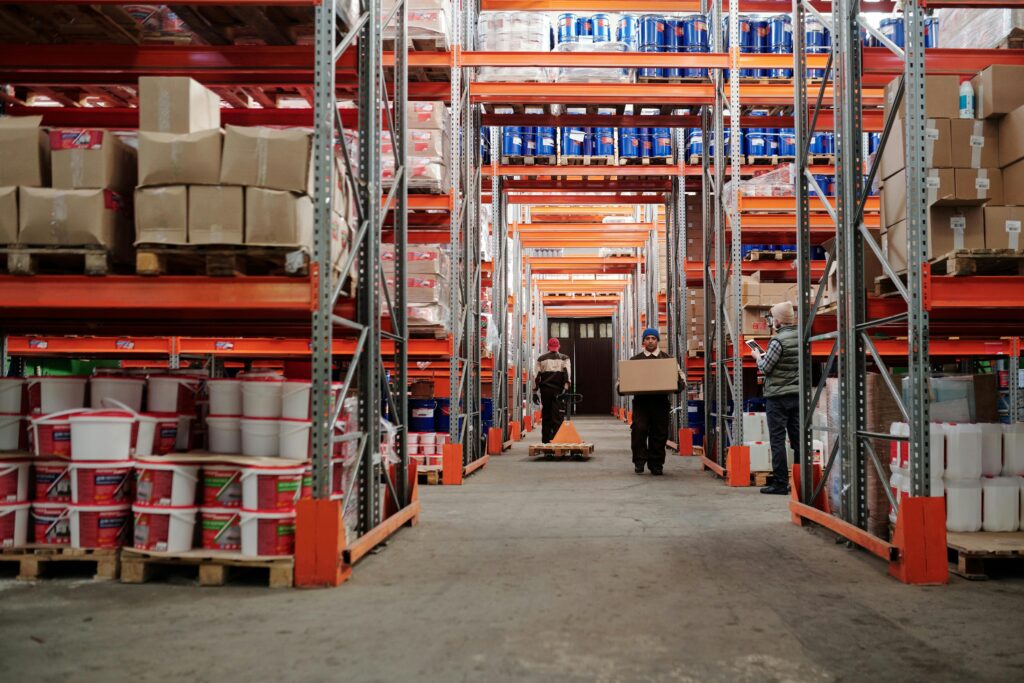
Efficiency means you get more done with less time, money, and effort. Together, they help you raise service while cutting waste.
Why It Matters for CPG Brands (service, cost, speed)
Retail is unforgiving, so delays hurt sales and loyalty. When you optimize the network, you reduce lead time and smooth demand spikes.
Additionally, you reduce transport and holding costs. Over time, that adds up to stronger margins and happier customers.
Map Your Current Network Before You Change It
Create a Simple Flow Picture (suppliers → plants → DCs → stores)
Start with a one-page diagram of your flows. Add lanes, modes, and average lead times for each path. Then mark the top five SKUs by volume.
This picture highlights hidden choke points that can be addressed early.
Capture Baseline KPIs (lead time, OTIF, inventory turns)
You can’t improve what you don’t measure. Track on-time in-full (OTIF), forecast accuracy, inventory turns, and cost per case.
Next, set a small 90-day target for each KPI. Small, steady gains beat big, messy changes.
Data Visibility for Faster Decisions
Fix the Data Gaps (single SKU truth, POS signals, exception alerts)
Many teams use different numbers for the same SKU. Create one trusted data set and share it across planning, logistics, and sales. Then pull point-of-sale (POS) signals for near-real-time demand.
Finally, set alerts for stockouts and late loads so you act before problems spread.
Show What Matters on Dashboards (simple, mobile, daily)
Dashboards should be short and clear. Highlight 5–7 metrics, not 50. Also, add color-coded alerts for forecast error, OTIF misses, and extra inventory. As a result, planners can spot issues in seconds and take action the same day.
Demand Forecasting and Sensing for CPG
Learn the Basics (promo lift, seasonality, demand spikes)
Forecasting predicts what you’ll sell next week or next month. Add promo flags so the model “sees” lifts from discounts.
Then layer in seasonality for holidays and weather. Even simple tweaks can reduce errors quickly.
Use Demand Sensing for Short Horizons (real-time data)
Demand sensing narrows the window to a few days. It uses POS, orders, and web traffic to catch sudden changes. Therefore, you can adjust production and replenishment sooner.
That shift helps prevent stockouts and overstock at the same time.
Inventory Optimization in CPG
Set Safety Stock with Rules (service targets & variability)
Safety stock protects service against demand and supply swings. Use service targets by channel, then tune buffers by volatility and lead time.
However, don’t copy one rule across all SKUs. Split items into A/B/C groups and size buffers accordingly.
Right-Size Across the Network (multi-echelon basics)
Multi-echelon inventory means you balance stock across plants, DCs, and stores. Push more upstream for slow movers to cut carrying costs.
Keep fast movers closer to the shelf for service. With this mix, you can lift OTIF while holding less stock overall.
Logistics and Route Optimization for CPG Distribution
Choose the Right Mode and Mix (TL/LTL, pool, parcel)
Mode decisions change cost and speed. For example, pool distribution can reduce miles and touchpoints for store deliveries.
Meanwhile, mixed TL with backhauls can trim empty miles. Test small, measure results, then expand.
Plan Smarter Routes (time windows, traffic, constraints)
Good routing respects delivery windows, driver hours, and city rules. Use a tool that handles these limits and updates plans with real traffic.
As a result, you reduce miles, missed windows, and detention fees. Over time, costs fall and on-time rates rise.
Warehouse Efficiency in CPG Logistics
Improve Flow and Slotting (travel time, pick paths)
Warehouse layout shapes your labor cost. Place fast movers close to the dock and group items that ship together. Then optimize pick paths to cut walking.
These simple changes pay back fast.
Standardize Work and Automate Where It Counts (WMS rules)
A clear set of rules in your WMS reduces errors. For instance, set replenishment triggers and QC checks at key points. Consider light automation like conveyor zones or pick-to-light. Even small steps boost accuracy and speed.
Production Planning for CPG Manufacturing
Align Plans with Line Constraints (changeovers, MOQ, run speeds)
Production plans must respect real limits. Changeovers and minimum order quantities (MOQ) drive cost and capacity. Therefore, sequence runs to reduce switches, and set batch sizes that fit demand. You’ll see fewer delays and less waste.
Sync with Demand and Materials (S&OP to S&OE)
Monthly S&OP sets targets, but weekly S&OE keeps you on track. Compare actual demand to plan and adjust runs early. If a supplier slips, pull the plan forward or swap components. This rhythm keeps the service stable.
Technology That Helps: AI, Digital Twins, and Advanced Analytics
Practical AI for Planners (MAPE reduction, exception focus)
AI can predict demand shifts and flag risky orders. It also reduces MAPE, so your plans get tighter. In addition, it filters noise and highlights the few SKUs that need attention. Planners then spend time where it matters.
Digital Twin Modeling for CPG Logistics (what-if scenarios)
A digital twin simulates your network. You can test new DCs, different modes, or safety stock rules without touching the real world. Therefore, you learn where the best gains are before you invest. Start with one region to prove value.
Sustainability and Risk in CPG Supply Chains
Cut Waste While Saving Money (fuel, packaging, returns)
Sustainability often aligns with efficiency. For example, tighter routes reduce fuel, while right-sized packaging cuts damage. Over time, these moves lower costs and shrink your footprint. That’s a win for margins and the planet.
Build Resilience (dual sourcing, buffers, supplier scorecards)
Shocks will happen. Add backup suppliers for critical items and set minimum buffers for risky SKUs. Track supplier scorecards for quality and lead time. With these basics, you’ll recover faster from disruptions.
CPG Supply Chain Network Optimization and Efficiency: Costs and ROI
Where ROI Comes From (miles, labor, inventory)
Savings appear in three places: fewer miles, less labor, and lower inventory. Service also improves, which protects revenue. A small pilot can show real cash impact within a quarter.
How to Build the Business Case (baseline, targets, payback)
Start with your baseline costs and service. Then set realistic targets by lane or category. Finally, estimate payback with a simple model: investment vs. yearly savings. Clear math helps teams align and move.
Rollout Plan: 30/60/90 Days
First 30 Days (map, metrics, pilot pick)
Map the network, clean key data, and choose one pilot lane. Align goals with sales and finance so everyone agrees on measures. Keep the scope small so you can learn fast.
Next 60–90 Days (execute, adjust, expand)
Run the pilot and review weekly. Fix issues, lock in gains, then add one more lane or category. By day 90, share results and decide what to scale. This steady approach avoids big surprises.
KPIs and Dashboards You Can Trust
Top Metrics to Watch (OTIF, turns, forecast accuracy)
Track OTIF for service, turns for cash, and forecast accuracy for stability. Also, watch DC throughput and cost per case. When these move together, you know the system is improving.
Simple Dashboard Rules (few metrics, clear alerts)
Keep dashboards short and mobile-friendly. Use red/amber/green to show risk at a glance. In addition, send alerts when a metric crosses a threshold. Teams act faster when signals are clear.
Team, Skills, and Change Management
Who Does What (planner, analyst, ops owner)
Define roles early. Planners adjust supply and demand; analysts tune models; ops owners fix process issues. With clear owners, changes stick. Meetings get shorter and better.
Train for the New Way of Working (playbooks, quick wins)
Build short playbooks for common problems. Practice in live sessions with real SKUs. Celebrate quick wins so the team sees progress. Momentum helps carry tougher changes.
Tooling and Vendor Types for CPG
What to Look For (integrations, time-to-value, scenario planning)
Pick tools that connect to your ERP, WMS, and TMS without long projects. Ask how fast you’ll see value. Scenario planning is key because it shows trade-offs before you commit.
Build vs. Buy (when simple wins)
Sometimes an ERP add-on beats a custom build. If your needs are standard, go simple and launch faster. If your network is unique, consider modular tools you can tune over time.
Case Examples and Comparisons
Two Quick Wins (miles down, service up)
A regional CPG brand rerouted two store clusters through a pool point. Miles dropped 12% and on-time rates climbed. Another brand added demand sensing during promotions and cut stockouts by double digits.
Pros and Cons Summary (balanced view)
Pros: Faster decisions, lower cost, higher OTIF, better cash flow. Cons: Data cleanup, training time, and integration effort. However, a small pilot handles risk while building proof.
FAQ’s
What is CPG supply chain network optimization and efficiency?
It means designing and running your supply chain so products move fast, on time, and at the lowest practical cost. You balance service, inventory, and transport.
How do I start optimizing a CPG network?
Begin with a simple map and a KPI baseline. Then run a 90-day pilot on one lane or category and measure weekly gains.
Which KPIs matter most for CPG brands?
Focus on OTIF, inventory turns, forecast accuracy, and cost per case. Also, watch backorders and returns.
Can small brands get results without big software?
Yes, start with clean data, rules in your WMS/TMS, and better routes. Add light analytics later as you grow.
How does AI help in consumer goods supply chains?
AI improves forecasts, flags risky orders, and highlights exceptions. Therefore, planners spend time where it truly counts.
Conclusion
You don’t need giant projects to get real results. Start by mapping your network, fixing data basics, and piloting one targeted change. Measure OTIF, turns, and forecast accuracy every week, then scale what works. With steady steps, CPG supply chain network optimization and efficiency turns into daily habits that lift service, cut cost, and free cash—without overwhelming your team.
[…] examine a simple infographic that highlights the pros, cons, and real-world examples of how 5G technology for businesses is transforming the […]
[…] teams handle tasks simultaneously, projects move faster. By adopting agile sprints and continuous automation, organizations shorten feedback loops and deliver updates in weeks — not […]
[…] this beginner’s guide, you’ll learn what voluntary resignation means, how it differs from being terminated, and the exact steps to quit respectfully. Let’s walk […]