


Introduction
Ever felt your car hesitate when changing gears? That could be a sign that your transmission fluid is low. This fluid keeps your gearbox running smoothly and prevents wear. In this guide, you’ll learn exactly how to check transmission fluid at home without stress or special tools.
We’ll also explain how often to check it, what color it should be, and what to do if your car doesn’t have a dipstick. Let’s make sure your car stays healthy and ready for the road.
What Is Transmission Fluid and Why Does It Matter
What Transmission Fluid Does
Transmission fluid is like your car’s lifeblood—it lubricates, cools, and cleans the gears inside the transmission. Without it, the gears grind and overheat.
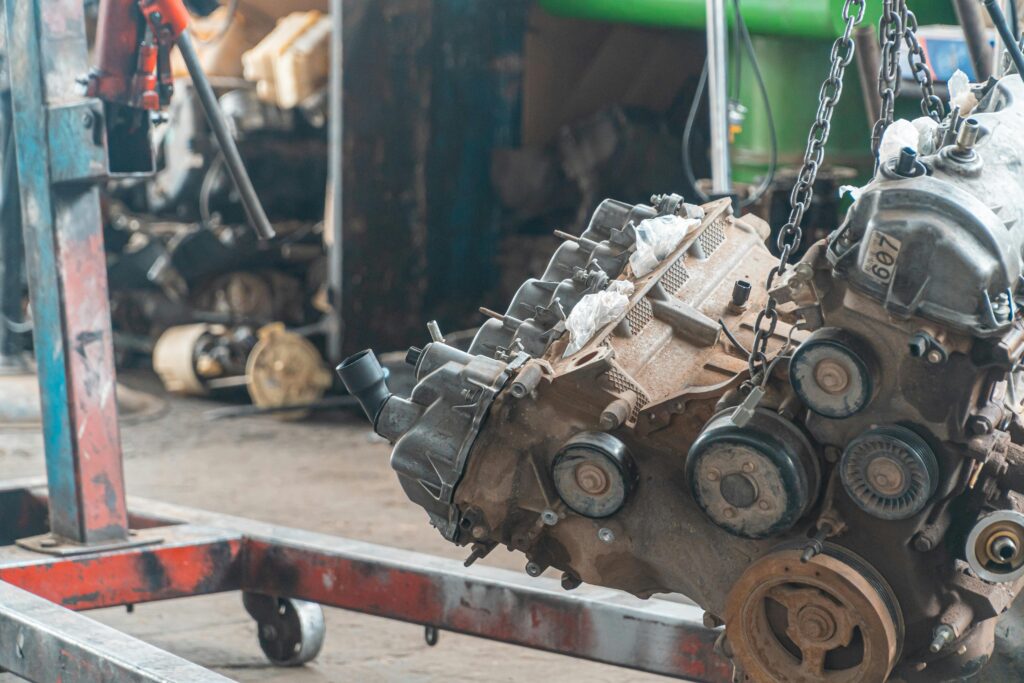
Manual and automatic vehicles use different types. Manual fluid is thicker and darker because it handles heavy gears. Automatic fluid (ATF) is thinner and red or pink, so it can flow easily through narrow passages.
How Often to Check or Replace It
Most car experts suggest checking your fluid every 12–24 months, but it depends on your vehicle. Some modern cars, like newer Subarus and Nissans, have sealed systems that don’t need regular checks.
Always look at your owner’s manual to find out how often to check transmission fluid and the type your car uses. If your fluid looks dark or smells burnt, it’s time to replace it.
How to Check Transmission Fluid (Automatic & Manual Cars)
Tools You’ll Need
Before you begin, gather a few simple items:
- A clean rag or paper towel
- A funnel
- The correct fluid for your car
- Gloves (optional)
Having everything ready makes the job faster. You’ll find your vehicle’s fluid type listed in your owner’s manual.
Step-by-Step Guide to Check Transmission Fluid
- Park your car on a flat surface and keep the engine running.
- Warm up the car for 10 minutes. This helps you get an accurate reading.
- Find the dipstick. It’s usually yellow or orange and labeled.
- Pull it out, wipe it clean, reinsert it, and pull it again.
- Check the fluid level—it should fall between the “Full” and “Add” marks.
- Inspect the color. Clean fluid is pink or red; dark or burnt-smelling fluid indicates it needs to be changed.
If you’re learning how to check the transmission fluid dipstick for the first time, don’t rush. A glance at the fluid can tell a lot about your health.
How to Check Transmission Fluid Without a Dipstick
Signs of Low Transmission Fluid
Many newer cars, such as the Subaru Outback or Nissan Altima, feature sealed. This means you can’t use a dipstick. Instead, watch for warning signs:
- Hard or delayed shifting
- Burning smell from the engine bay
- Grinding or whining noise when changing gears
If you notice any of these, your fluid may be low or dirty.
When to Visit a Mechanic
If you own a car like a 2018 F150 or 2015 Nissan Sentra, you may need a mechanic to inspect the fluid through a fill plug underneath the vehicle. Mechanics use special tools to check pressure and level accurately.
However, you can still keep an eye on performance. Smooth shifting means the fluid is likely fine; rough gear changes could signal it’s time for service.
Common Mistakes When Checking Transmission Fluid
Checking When Cold or Engine Off
Transmission fluid expands when warm, so checking it cold gives a false reading. Always check it after the engine warms up. If you drive a Ford Focus or a 2016 F150, make sure it idles in Park during the check for accurate results.
Using the Wrong Type or Overfilling
Never mix fluids. For example, Subaru transmission fluid checks require Subaru-specific ATF, while F150 trucks often use Mercon V or ULV. Using the wrong type can damage your transmission.
Also, avoid overfilling. Too much fluid causes foaming, which leads to poor shifting. Add small amounts and recheck the level each time.
Real-World Examples – Different Cars, Different Methods
Checking Transmission Fluid in Ford and Nissan
Let’s compare how to check fluid on popular cars:
| Car Model | Method | Engine Running | Fluid Type | Notes |
|---|---|---|---|---|
| 2018 F150 | Use a professional service | Yes | Mercon ULV | Check after 10-minute warm-up |
| 2014 Nissan Sentra | No dipstick | No | CVT Fluid | Needs shop inspection |
| Nissan Altima | No dipstick | — | CVT Fluid NS-3 | Use professional service |
| Ford Focus | Has dipstick | Yes | Mercon V | Check on level ground |
Different cars require slightly different methods, so always double-check your manual.
DIY vs. Professional Service
Doing it yourself saves money and teaches you how your car works. However, modern vehicles with sealed systems often need a technician.
For older models like the Subaru Impreza or Subaru Legacy, DIY checks are easy and safe. But newer models like the Subaru Forester or Outback often require a shop visit due to electronic sensors.
FAQ’s
Do you check transmission fluid with the engine running?
Yes, keep the engine running and warm for accurate readings.
What’s the proper way to check transmission fluid levels?
Park on a flat surface, warm up the engine, then use the dipstick to check between the “Full” and “Add” marks.
Do you check transmission fluid in park or neutral?
Most cars require parking. Check your owner’s manual to confirm.
Do you check automatic transmission fluid when it’s hot or cold?
Always check when hot or warm. Cold readings can be misleading.
How often should you check transmission fluid?
Once every 12–24 months or every 15,000 miles is a good rule of thumb.
Conclusion
Now you know how to check transmission fluid the right way—whether your car has a dipstick or not. Regular checks prevent costly repairs and keep your ride smooth.
If you’re ever unsure, look in your manual or ask a trusted mechanic. Don’t ignore the signs of low fluid; small steps today can save your tomorrow.
[…] you ever noticed train ticket prices change from day to day? That’s not random. It’s rail revenue management systems at […]
[…] systems simplify business process optimization and digital workflow management, letting companies adapt faster. From internal dashboards to […]
[…] now outsource at least one supply chain function to stay competitive. This guide explains what cpg supply chain managed services actually deliver and whether they’re worth your […]